
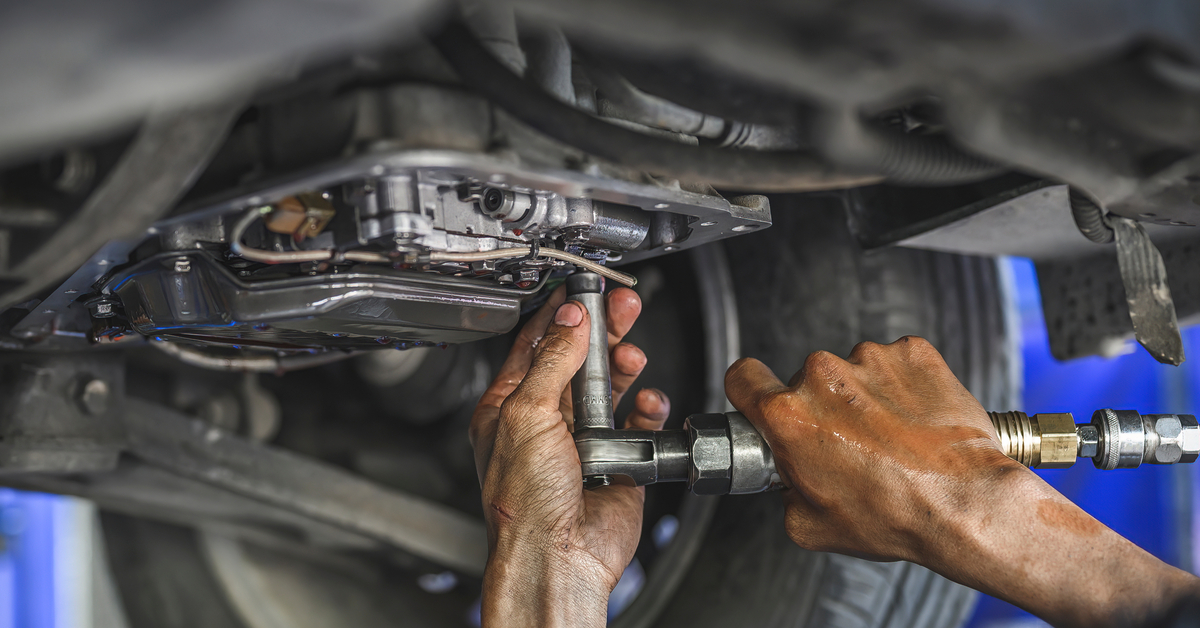
Hauling trailers or campers and off-roading needs the support of a high-quality transfer case. As time goes by, the parts within the device weaken and fall apart. It’s essential to act promptly by consistently servicing your vehicle, including the transfer case. Discover which transfer case parts you should replace regularly for a strong transmission.
Transmission Fluid
Transmission fluid demands a change every 30,000 to 60,000 miles. This task is the most important aspect of your entire vehicle maintenance routine because it lubricates the moving parts within the transmission and transfer case.
Transmission fluid will suffer contamination eventually; metal shavings and debris infiltrate and hinder its effectiveness. Sticking to a consistent replacement schedule will strengthen your vehicle’s performance.
Seals
Seals are vulnerable after two to three years of heat, friction, and exposure to transmission fluid contaminants. This transfer case part prevents fluid leaks to guarantee all transfer case components receive sufficient lubrication. They are a small piece of the transfer case, but worn-down seals put the entire vehicle at risk. During vehicle servicing, be sure to inspect the seals so that potential leaks aren’t a concern.
Chain
The transfer case chain can stretch or suffer damage, leading to slippage and reduced performance. The component transfers power from the transmission to the drive shafts to enable four-wheel drive.
A worn-out chain significantly minimizes the four-wheel drive functionality because it reduces traction and control. Consistently inspecting and replacing the transfer case chain is essential to maintain your vehicle’s performance and safety.
Bearings
The bearings are another transfer case part you should replace regularly. The bearings support the rotating shafts to reduce friction among moving parts. Over time, bearings wear out from constant use and exposure to contaminants. Increased friction causes damage, emitting unfavorable sounds and posing threats to nearby components.
Mount
Transfer cases attach to the drivetrain system between the transmission and the front and rear axles. Mechanics secure them using bolts, but the transmission mount is a component that’s just as important to support the stability of the transfer case.
This element absorbs shocks and vibrations while establishing a secure connection. A functioning mount maintains the transfer case’s alignment, avoids excessive movement, and prevents potential damage to other drivetrain components. Regularly inspecting and promptly replacing damaged transmission mounts will keep the vehicle operating without a hitch.
Output Shaft
The output shaft transfers power from the transfer case to the drive shafts so the wheels can turn. As the output shaft naturally wears down, it offers a reduced performance. Proactively replacing the output shaft ensures that it effectively transmits power to the wheels for optimal traction and control.
A good rule to follow for a safe and high-performing vehicle is to service the transfer case every 30,000 to 60,000 miles. Allow the mechanic to diagnose the issues at hand. Then, let Transparts Warehouse take care of the replacement parts.
We offer high-quality aftermarket transfer case parts that are ready for installation. Visit our website today to find your vehicle’s make and model and select the replacement part you need to get your vehicle back in shape.


