When car enthusiasts think of transmissions, they may believe that there are only two kinds: manual and automatic. However, one that they may not be aware of is the continuously variable transmission (CVT), which is a different kind of automatic transmission. Read on as we decode the CVT by explaining its differences, the various types of CVTs available, and how their use can benefit you as a driver.
The Definition of CVTs
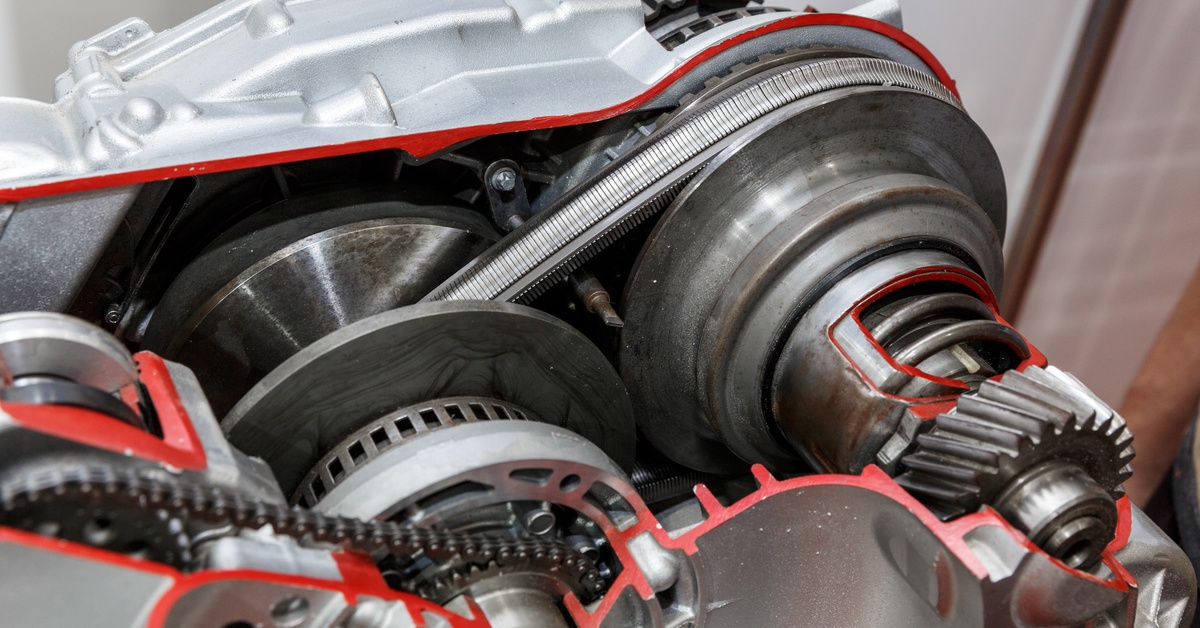
Unlike traditional transmissions that rely on a fixed number of gears, CVTs utilize pulleys and a flexible belt or chain. These components will change their diameters as your car moves, allowing the transmission to adjust the gear ratio continuously. This eliminates the need for traditional gear shifting, enabling improved efficiency for the driver.
Manufacturers often utilize these transmissions in compact and hybrid cars. Although they may not typically offer the visceral, mechanical "feel" of traditional transmissions, CVTs have a range of helpful benefits that they can offer drivers, which we will review later in this blog.
Different Types of CVTs
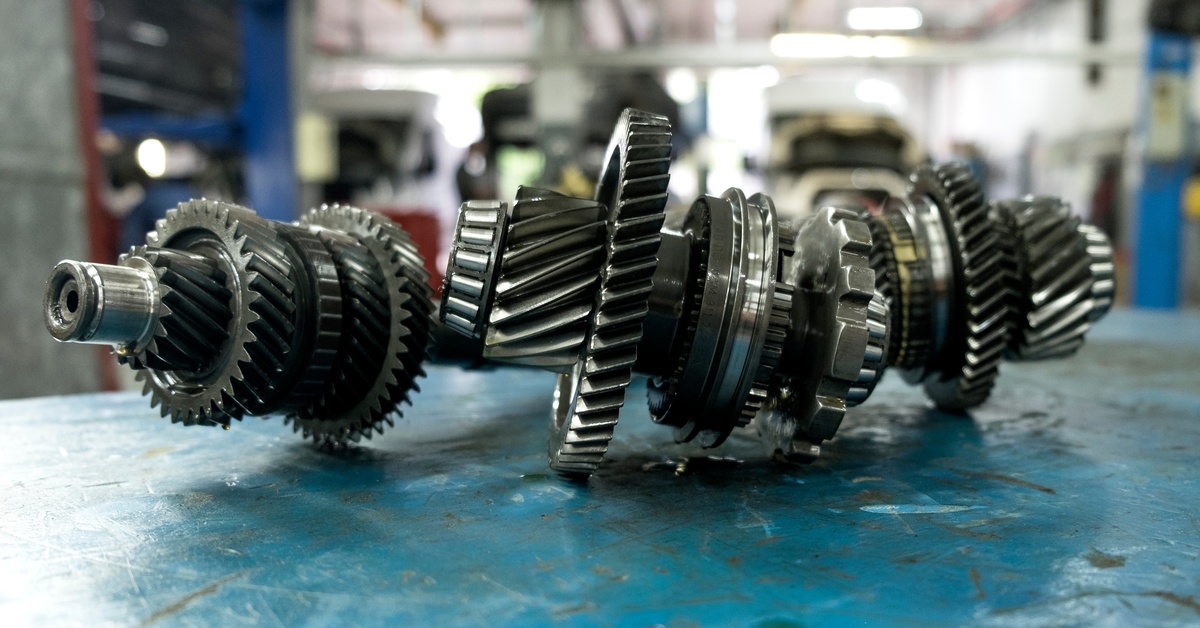
The different kinds of CVTs employ varying mechanical principles to achieve continuously variable ratios. These variations can meet specific performance requirements and manufacturing considerations across different vehicle applications.
Pulley-Based Transmissions
The most prevalent CVT is the pulley-based transmission, which connects two variable-diameter pulleys. Each consists of two cone-shaped halves that can move closer together or farther apart, effectively changing the pulley's diameter and the gear ratio.
The primary pulley connects to the engine's crankshaft, while the secondary pulley drives the vehicle's wheels through the differential. As hydraulic pressure forces the pulley halves together on one side, they simultaneously separate on the other, causing the belt to ride higher or lower on each pulley. This continuous adjustment creates seamless ratio changes that optimize engine performance for any driving condition.
Toroidal Transmissions
Toroidal CVTs employ a more complex but potentially more efficient design by using friction-based power transmission. This system features input and output discs and rollers. Power transfers through rollers that tilt at various angles, creating different contact points with the discs that determine the transmission ratio.
The tilting mechanism allows for precise ratio control while handling substantial torque loads. Toroidal CVTs offer excellent durability and can manage higher power outputs compared to belt-driven systems, making them attractive for performance applications. However, their complexity and manufacturing costs have prevented widespread adoption in consumer vehicles.
Hydrostatic Transmissions
Finally, hydrostatic CVTs utilize hydraulic pumps and motors to achieve continuously variable ratios. The system features a variable-displacement hydraulic pump driven by the engine that supplies pressurized fluid to a motor connected to the drive wheels. Varying the pump's displacement changes the flow rate and pressure, directly controlling the output speed and torque.
This design excels in heavy-duty applications. You can often find hydrostatic CVTs in construction equipment, agricultural machinery, and some specialty vehicles where their ability to provide infinite ratios and excellent low-speed control outweighs their complexity and cost considerations.
The Benefits of CVTs
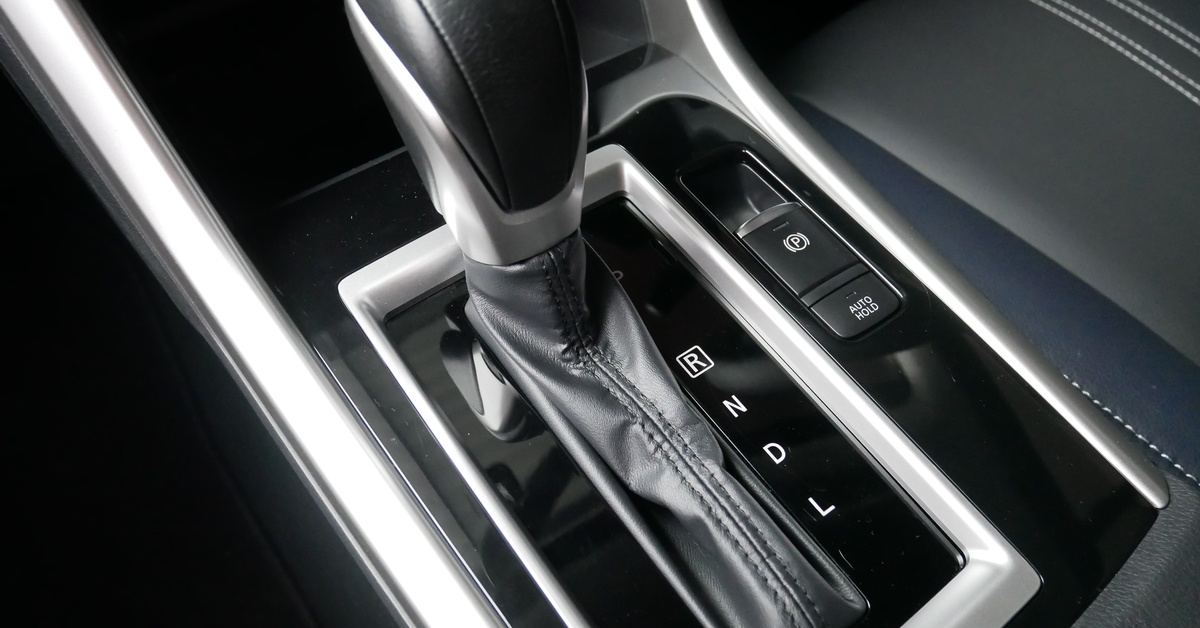
As we decode CVTs, it is important to look at the various benefits that these transmissions can offer drivers. These systems can provide you with tangible improvements in vehicle performance, efficiency, and environmental impacts. Read on to learn more about each of these and how it can be advantageous to have a vehicle with a CVT.
Better Fuel Usage
One substantial benefit of CVTs is superior fuel economy. These transmissions maintain optimal engine operating conditions across all driving scenarios. In contrast, traditional transmissions force engines to operate across a wide RPM range as they cycle through fixed gear ratios, often running at less efficient points.
CVTs eliminate this compromise by keeping the engine at its peak efficiency RPM regardless of vehicle speed or load conditions. This optimization becomes particularly beneficial during city driving, where frequent acceleration and deceleration cycles typically penalize fuel economy in conventional transmissions. A CVT's ability to seamlessly adjust ratios means the engine can quickly reach and maintain its most efficient operating point, translating directly into reduced fuel consumption and an extended driving range.
Less Parts
Another advantage of CVTs is their mechanical simplicity. Their designs feature fewer moving components than traditional automatic transmissions. Conventional automatics require complex planetary gear sets, multiple clutch packs, valve bodies, and intricate hydraulic control systems. CVTs achieve the same functional goals with significantly fewer parts, reducing manufacturing complexity and potential failure points.
This reduction in component count translates into lighter overall transmission weight, contributing to improved vehicle efficiency. The simplified construction also means fewer precision-machined parts and reduced assembly time. This offers potential cost advantages in high-volume production scenarios while maintaining reliability through reduced mechanical complexity.
Fewer Emissions
If you’re an eco-minded driver, you may be interested in knowing that CVTs result in fewer emissions, thanks to their fuel efficiency advantages and optimal engine operation characteristics. By maintaining engines at their cleanest-burning RPM ranges, CVTs help minimize harmful exhaust emissions, including carbon dioxide, nitrogen oxides, and unburned hydrocarbons.
This emission reduction becomes increasingly important as global environmental regulations tighten. By purchasing a vehicle with a CVT, you will align yourself with industry goals and support consumer demand for more eco-friendly transportation options.
Easier Acceleration
CVT-equipped vehicles also provide a distinctly different acceleration experience, characterized by smooth, continuous power delivery. Unlike traditional transmissions that interrupt power flow during shift points, CVTs maintain constant acceleration without the familiar surge-and-pause pattern of conventional automatics. This results in more predictable and controllable acceleration characteristics.
The seamless ratio changes also allow CVTs to optimize acceleration performance by maintaining ideal engine RPM throughout the acceleration process. Rather than dropping RPM after each upshift, the engine can sustain its power peak, delivering more consistent thrust and potentially better overall acceleration times despite the perception of different performance characteristics compared to traditional stepped transmissions.
As we’ve seen, CVT technology can offer benefits to drivers who want to enjoy smoother acceleration, make their vehicles more efficient, and better equip the cars for varying conditions. Understanding how these systems work can also give you a greater appreciation for the fascinating ways that vehicles operate.
However, if you prefer to maintain a vehicle with a traditional transmission, Transparts Warehouse can help. As a manual and automatic transmission parts supplier, we focus on delivering high-quality products that will keep your vehicle in pristine condition.


