
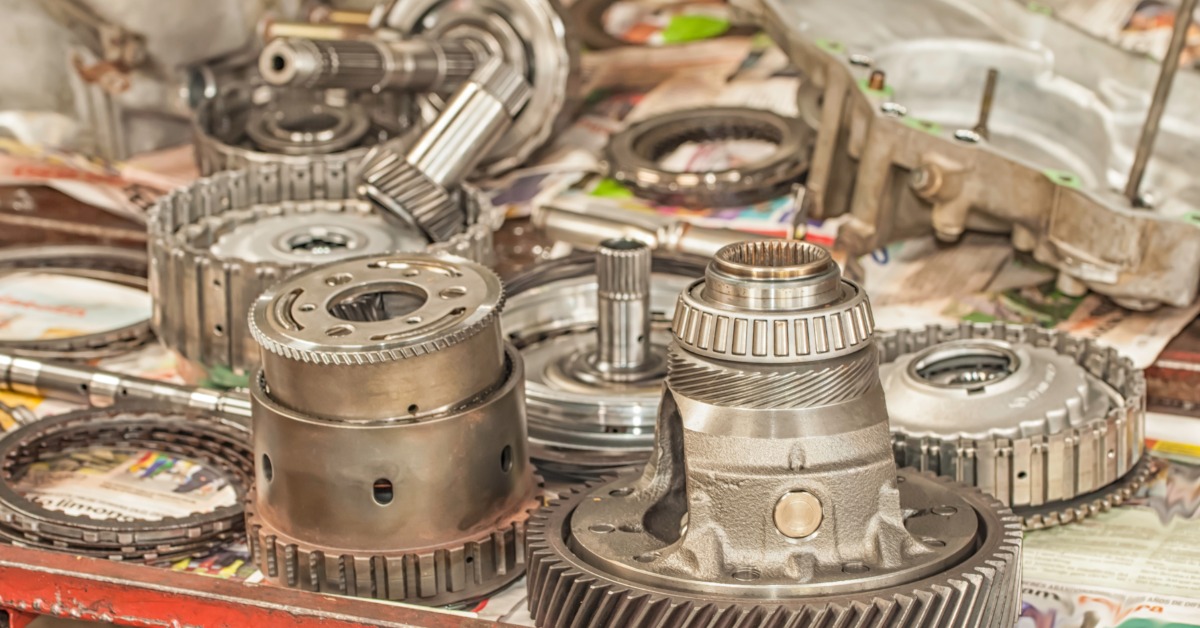
Taking on an automatic transmission rebuild requires careful preparation and a clear understanding of the process. Many car enthusiasts feel excited about the challenge but underestimate the level of planning required.
However, a well-structured approach helps prevent costly mistakes and ensures a smoother rebuild experience. Review these helpful tips for planning your first automatic transmission rebuild.
Understand the Scope of the Rebuild
Before you begin, define exactly what your rebuild will include and what goals you want to achieve. Some rebuilds focus on restoring factory performance, while others aim to improve durability or handle higher power levels. Clear goals help you choose the right parts and avoid unnecessary purchases.
You should also evaluate the condition of your current transmission. Inspect for wear, damage, and any signs of failure that may affect your rebuild plan. This step helps you determine whether you need a full rebuild or a more targeted repair.
A complete understanding of the scope ensures you stay organized throughout the project. It also helps you estimate the time, cost, and effort required. By planning at this stage, you can reduce surprises later in the process.
Research Your Transmission Model
Every automatic transmission design includes unique components and specifications. You need to study your specific model to understand its layout, tolerances, and common failure points. Reliable manuals and diagrams provide critical guidance during both disassembly and reassembly.
You should also investigate known issues associated with your transmission. Many models have documented weak points that you can address during the rebuild. Addressing these issues improves long-term reliability.
Accurate research allows you to make informed decisions about upgrades and replacements. It also helps you avoid errors that could lead to improper installation or premature failure. Preparation through research also helps you build confidence before you begin.
Collect Your Tools and Equipment
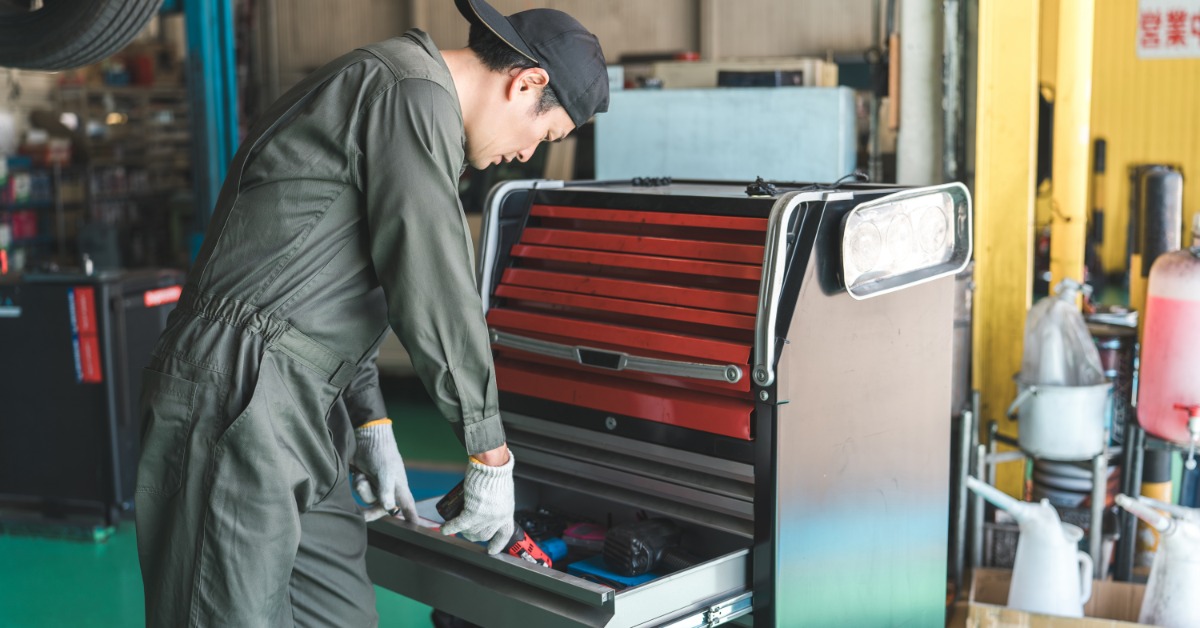
Another important step in planning your first automatic transmission rebuild is ensuring you have the correct tools available from the start. Specialized tools such as clutch spring compressors and seal installers play a key role in handling internal components. You should verify your tool list before disassembly begins.
Confirm that each tool meets the specific requirements of your transmission model. Some components require precise handling that only specialized tools can provide. Having the correct equipment ready helps you avoid damage and complete each step with confidence.
Proper tools and setup reduce frustration and improve accuracy. They also allow you to complete each step efficiently without unnecessary delays. Preparation in this area supports a smoother workflow from start to finish.
Clear a Dedicated Workspace
You should set up a clean and dedicated workspace before starting your rebuild. A controlled environment helps protect sensitive transmission components from dirt and debris.
Choose a space with enough room to lay out parts and tools in an organized way. It should also feature adequate lighting so you can see fine details and work with precision. A stable work surface also helps prevent accidental damage to components.
Keeping your workspace clean throughout the rebuild will help you achieve better results. Remove clutter and maintain order as you progress through each step. A well-prepared workspace improves efficiency and overall build quality.
Choose High-Quality Replacement Parts
Selecting the right parts plays a major role in the success of your rebuild. You should focus on quality components that meet or exceed original specifications. Reliable parts improve performance and extend the life of your transmission.
You may also consider upgraded components if your goals include improved strength or towing capability. These upgrades can enhance durability under demanding conditions. Careful selection ensures compatibility with your transmission model.
You should verify part compatibility before making any purchases. Cross-check part numbers, specifications, and kit contents to ensure everything matches your transmission. This step helps prevent delays and avoids issues during reassembly.
Plan Your Budget and Timeline

A rebuild requires both financial planning and time management. You should outline all expected costs, including parts, tools, and any additional services. A clear budget helps you avoid overspending during the project.
You also need to set a realistic timeline based on your experience level. First-time rebuilds may take longer than expected due to learning curves and the need for careful inspection. Allow extra time to ensure accuracy at each stage.
Proper planning keeps your project on track and reduces stress. It also allows you to focus on quality rather than rushing through important steps. A structured plan leads to better overall results.
Create a Disassembly System
It’s also wise to create a structured disassembly system before the project. Plan how you will remove, label, and store each component before turning a single bolt. A clear system reduces confusion and keeps the process efficient.
You can use labeled containers, bags, or trays to separate parts by assembly group. Keeping related components together makes reassembly more straightforward and prevents misplaced items. This approach also helps you track small but critical pieces.
Documenting each step strengthens your system and provides a reliable reference later. Taking photos and keeping notes will also help you confirm proper placement during reassembly. A consistent disassembly system supports accuracy and confidence throughout the rebuild.
Inspect and Measure All Components
Inspection plays a key role in determining which parts you can reuse. You should check for wear, cracks, and any signs of damage that may affect performance. Careful evaluation ensures you replace only what is necessary.
Precise measurements help confirm whether components meet required tolerances. You need to use proper measuring tools to verify clearances and fitment. Accurate measurements prevent issues during operation.
This step ensures your rebuild meets performance expectations. It also helps you avoid future failures caused by overlooked wear. A thorough inspection leads to a more reliable transmission.
Test and Prepare for Installation
Before installing the rebuilt transmission, you should perform final checks. Verify that all components are secure and that you have not overlooked anything. A thorough review helps catch potential issues early.
You should also prepare the transmission for installation by ensuring proper fluid levels and connections. Correct preparation supports smooth integration with the vehicle. Attention to detail at this stage prevents complications.
Testing and preparation will also give you confidence in your work. They will help ensure the transmission performs as expected once installed. This final step marks the transition from planning to real-world performance.
The steps above illustrate that planning your first automatic transmission rebuild requires careful preparation, attention to detail, and a commitment to quality. Each step, from research to reassembly, plays a critical role in achieving reliable performance.
When you are ready to start your project, explore the range of high-quality automatic transmission parts for sale at Transparts Warehouse. Contact us today so we can help you find the components you need for a successful rebuild.


