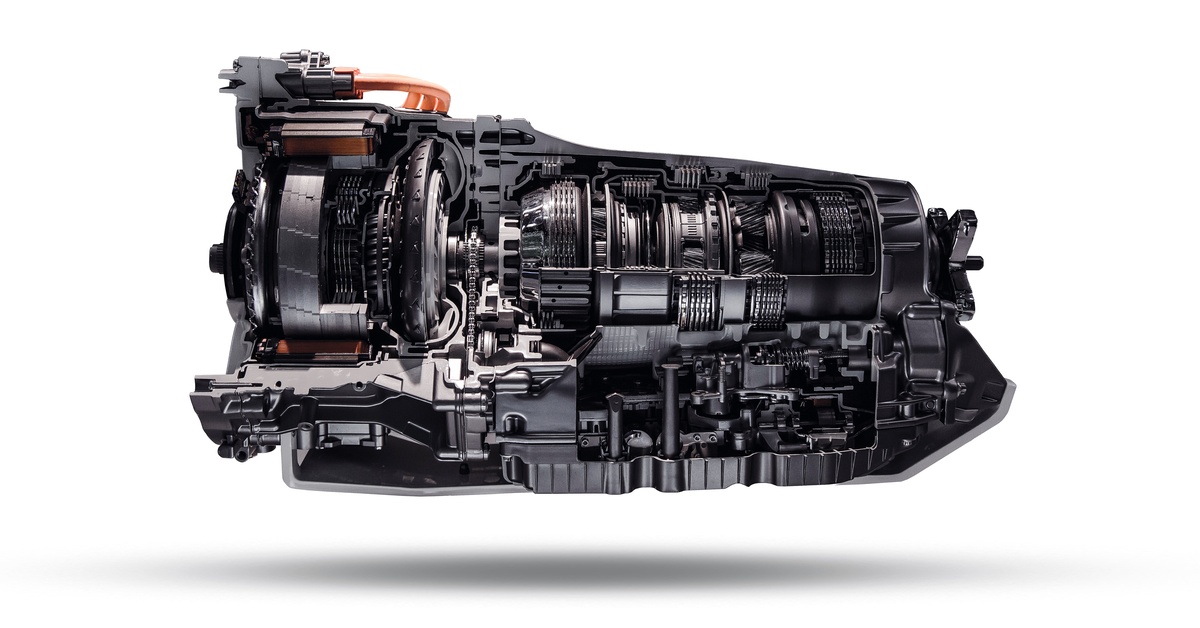
Your vehicle’s transmission is more than a complex system of gears and hydraulic circuits. Instead, this system defines a car's character, influencing everything from fuel economy to the sheer thrill of driving. This makes it essential to know how to identify your vehicle’s transmission type. Learn the easy steps in this blog.
The Two Main Categories: Manual vs. Automatic
Before looking at the steps to identify your transmission, it is important to review the two most common transmission types in vehicles: manual and automatic. These differ in terms of how each system manages gear changes and delivers power.
A manual transmission, often called a standard or stick shift, relies on your direct input through a clutch pedal and gear lever for gear selection. This hands-on approach rewards drivers with a strong sense of connection and complete control over the vehicle’s power delivery.
Automatic transmissions take a different path, using an intricate network of planetary gears, clutches, hydraulic circuits, and electronic controls to shift gears seamlessly, requiring only your choice of drive mode. This convenience has made automatics the preferred option in most modern vehicles.
Visual Inspection: The Interior Clues
The most straightforward way to identify your car’s transmission type is to sit in the driver's seat. A glance at the footwell and center console provides definitive clues.
A vehicle equipped with a manual transmission will have three pedals: the accelerator on the right, the brake in the middle, and the clutch on the far left. Additionally, the gear shifter on a manual transmission vehicle will feature a distinct shift pattern diagram on its knob, showing the gear layout (e.g., 1, 2, 3, 4, 5, R).
In contrast, an automatic vehicle will only have two pedals: the accelerator and a wider brake pedal. The gear selector, or shifter, will display letters instead of numbers, typically P (Park), R (Reverse), N (Neutral), and D (Drive), often with additional options like L (Low) or numbered gears for limited manual control. The absence of a clutch pedal is the single most telling sign of an automatic transmission.
Checking Under the Hood

If you want to confirm your findings or explore the mechanical layout, a trip under the hood can provide you with more information. In a front-wheel-drive vehicle, you can often spot the transmission case bolted directly to the side of the engine.
Although distinguishing models by sight can be difficult without experience, you can look for specific components. An automatic transmission will have cooler lines running from its case to a dedicated section of the radiator, as the transmission fluid requires cooling. You will also find a dipstick, often with a brightly colored handle, used to check the level and condition of the automatic transmission fluid.
On the other hand, manual transmissions typically do not have a dipstick accessible from the engine bay. Checking their fluid level usually requires accessing a fill plug on the side of the transmission case underneath the vehicle. You will also notice a hydraulic line leading to a clutch slave cylinder, or a cable connecting to the clutch fork mechanism, both components exclusive to manual setups.
Decoding the Vehicle Identification Number
Every modern vehicle has a unique 17-digit vehicle identification number (VIN), which serves as its fingerprint. This code contains a wealth of information, including the manufacturer, model year, and place of assembly.
Crucially for our purpose, one of the characters in the VIN often specifies the original engine and transmission combination installed at the factory. The VIN should be on a plate on your dashboard or a sticker on the driver’s door.
Once you locate the VIN, you can use an online VIN decoder tool. By entering the 17-digit code, these services can break down the information and provide a detailed report on the vehicle's original specifications. This is an incredibly reliable method, as it tells you exactly how the car left the factory, overriding any confusion that could arise from potential aftermarket modifications.
The Information Sticker: A Hidden Gem
Many vehicles have a service parts identification sticker, which is an invaluable resource for identifying key components. The location of this sticker varies by manufacturer, but common places include the inside of the glove box door, the spare tire well in the trunk, or the driver's side door jamb. This label contains a list of three-character regular production option (RPO) codes.
These codes correspond to every option the manufacturer built the vehicle with, from the paint color to the axle ratio. Among them will be a specific code for the transmission model. A quick online search for your vehicle's manufacturer and "RPO code list" will help you decipher the codes and pinpoint your exact transmission.
Examining the Transmission Pan
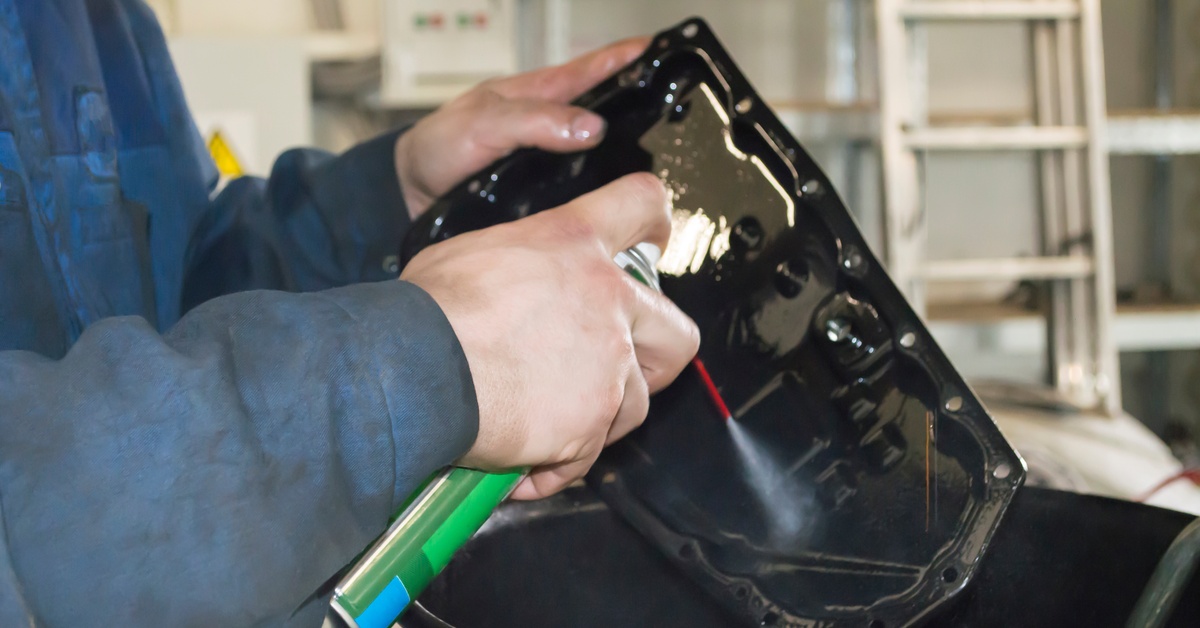
For those willing to get under the vehicle, the transmission oil pan is one of the most reliable identifiers, especially for automatic transmissions. Each transmission model has a uniquely shaped pan, defined by its bolt pattern and contours. This feature allows seasoned mechanics to identify a transmission model almost instantly.
Resources like transmission identification charts are widely available online. These charts display the pan shape and bolt count for dozens of different automatic transmissions. By comparing the shape of your vehicle's pan to the diagrams in the chart, you can achieve a positive identification. This method is beneficial for owners of older or classic cars, where online decoders might be less effective.
Identifying Advanced Transmissions
It’s also important to note that the automotive world has evolved beyond simple manual and automatic systems. Continuously variable transmissions (CVTs) have become common, especially in fuel-efficient vehicles.
A CVT does not have fixed gears; instead, it uses a system of belts and variable-diameter pulleys to provide a seamless range of ratios. From the driver's perspective, a CVT behaves like an automatic transmission but without perceptible shift points, leading to smooth, linear acceleration.
Dual-clutch transmissions (DCTs) represent another innovation, blending the efficiency of a manual transmission with the convenience of an automatic. A DCT uses two clutches for odd and even gear sets, allowing for lightning-fast, pre-selected shifts.
You can often find these in high-performance vehicles and identify them by their rapid and precise shifting, which can sometimes feel more abrupt than a traditional automatic. While these are technically automatic from the user's standpoint, their internal mechanics are radically different and worth noting.
Now that you know the various ways to identify your car’s transmission, you can do a better job of sourcing the right parts when completing a project on your vehicle, such as rebuilding or upgrading your gearbox. Having this information will allow your transmission to perform better and extend your vehicle's longevity.
For a comprehensive selection of premium automatic and standard transmission parts, explore Transparts Warehouse’s inventory. We can provide the components you need to keep your machine shifting perfectly.


