Understanding the heart of an all-wheel or four-wheel drive (4WD) system is crucial for any serious automotive enthusiast or transmission professional. The debate over a transfer case vs. a center differential reveals two distinct engineering philosophies for distributing power to all four wheels.
Although both components aim to achieve a similar goal—maximizing traction—their methods, applications, and performance characteristics differ fundamentally. Knowing these key differences is essential for diagnostics, repairs, and performance upgrades.
A Transfer Case
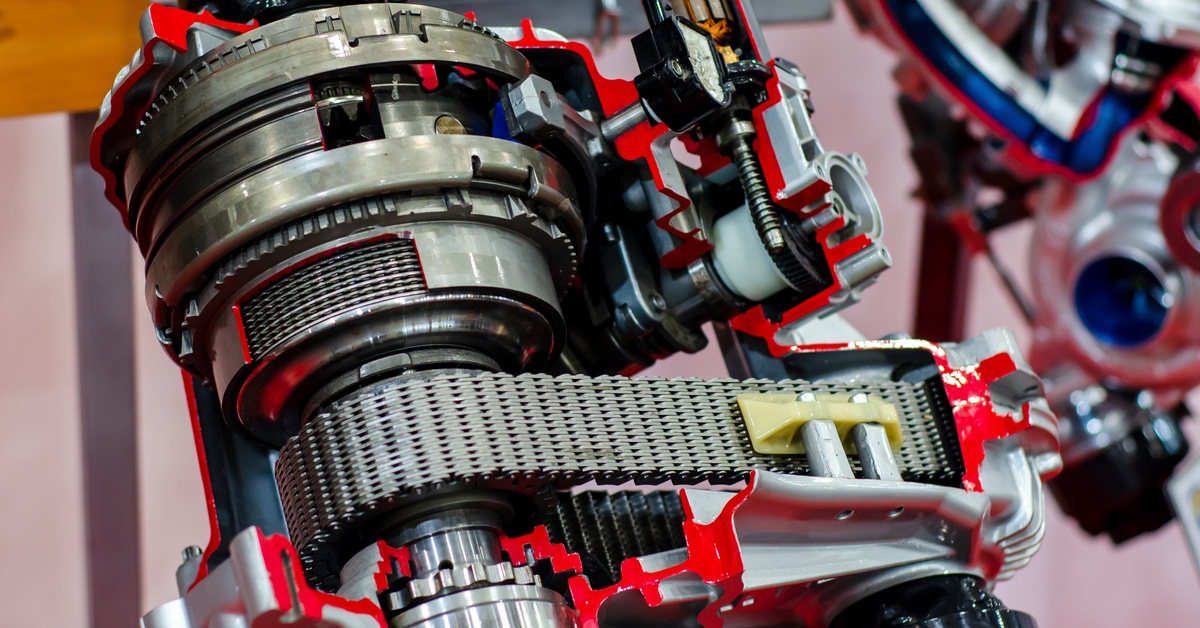
A transfer case is the classic, rugged solution found primarily in part-time and full-time four-wheel drive (4WD) systems, especially in trucks and off-road-focused SUVs. This gearbox sits behind the transmission and splits power between the front and rear axles.
In its simplest form, a part-time transfer case mechanically locks the front and rear driveshafts, forcing them to rotate at the same speed. This provides incredible traction in low-grip conditions, such as mud, snow, or rock crawling. More advanced transfer cases offer multiple modes, including a full-time 4WD setting that allows for differentiation between the axles.
A Center Differential
In contrast, a center differential is the core of most modern all-wheel-drive (AWD) systems. Instead of a simple mechanical lock, it uses a set of gears to allow the front and rear axles to rotate at different speeds. This is critical for smooth, stable handling on paved roads, as wheels travel different distances when turning.
The center differential constantly manages the power split, often aided by electronic sensors and clutches, to seamlessly send torque to the wheels with the most grip. This provides enhanced traction and stability in all conditions without the driveline binding associated with traditional 4WD systems.
Choosing the Right Drivetrain Component
Now that you know the key differences between a transfer case and a center differential, you can make your choice between the two, which really comes down to your intended use. For dedicated off-roading and heavy-duty applications, the robust, lockable nature of a transfer case is superior. Its direct mechanical connection provides unwavering power delivery when you need it most.
However, the seamless, adaptive operation of a center differential delivers better performance, efficiency, and comfort for everyday driving in varying weather conditions on paved roads. Each component represents a masterclass in driveline engineering, tailored for a specific purpose.
Now that you’ve seen how transfer cases and center differentials shape the driving experience, you can appreciate how each design meets the demands of specific vehicles and conditions. Understanding these engineering choices helps you make smarter decisions for maintenance, upgrades, or your next build.
For the best selection of high-quality performance transmission parts, from transfer case chains to rebuild kits, explore the inventory at Transparts Warehouse. Contact us today to learn how we can give your vehicle the capability it deserves.


