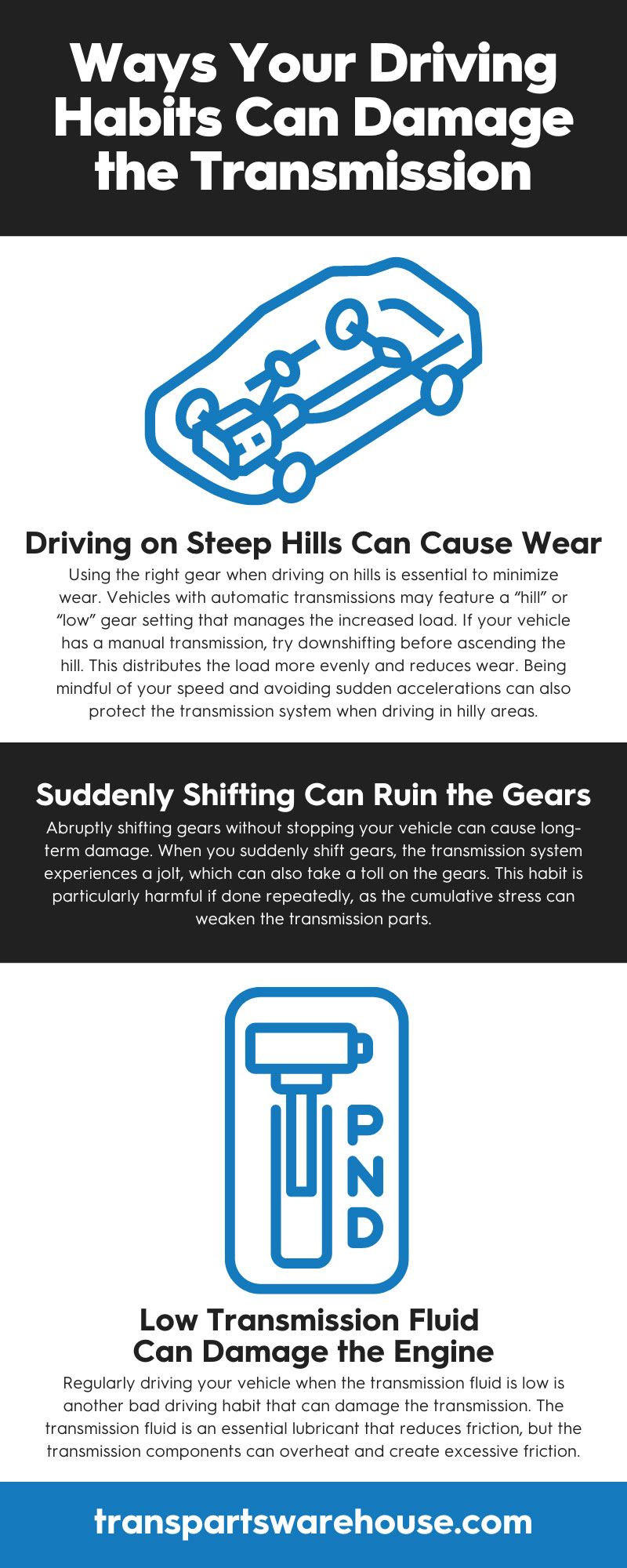
The transmission is one of the most critical components of your vehicle, enabling you to drive it at different speeds. While car manufacturers strive to build them to last, you may be doing certain things behind the wheel that lower the lifespan of your vehicle’s transmission system. Luckily, you can prevent damage and keep your car running smoothly for years by learning what you could be doing differently. Discover eight ways your driving habits can damage the transmission.
Driving on Steep Hills Can Cause Wear
Taking your vehicle up and down steep hills can be particularly taxing on its transmission. If you constantly navigate inclines, the transmission must work harder to maintain the appropriate gear and speed. Added strain can cause the internal components to wear out quickly.
In addition, the transmission fluid heats up as it works harder, leading to overheating if neglected. This may result in the fluid losing its lubricating properties and not preventing friction and wear on the gears and other parts.
Using the right gear when driving on hills is essential to minimize wear. Vehicles with automatic transmissions may feature a “hill” or “low” gear setting that manages the increased load. If your vehicle has a manual transmission, try downshifting before ascending the hill. This distributes the load more evenly and reduces wear. Being mindful of your speed and avoiding sudden accelerations can also protect the transmission system when driving in hilly areas.
Suddenly Shifting Can Ruin the Gears
Abruptly shifting gears without stopping your vehicle can cause long-term damage. When you suddenly shift gears, the transmission system experiences a jolt, which can also take a toll on the gears. This habit is particularly harmful if done repeatedly, as the cumulative stress can weaken the transmission parts.
To protect your transmission, always shift gears smoothly and at the appropriate times. For manual transmissions, this means engaging the clutch fully before shifting and avoiding abrupt movements.
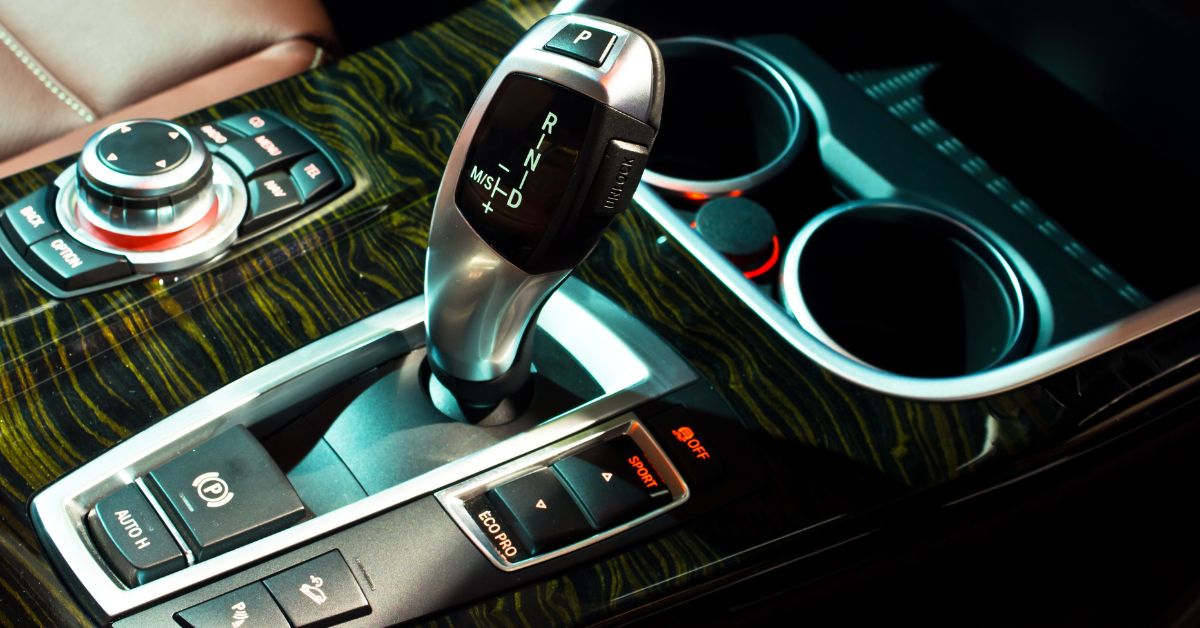
For automatic transmissions, avoid rapidly switching between reverse and drive or drive and park, as this can strain the system. Taking a moment to shift gears properly can go a long way in extending the life of your vehicle’s transmission system.
Low Transmission Fluid Can Damage the Engine
Regularly driving your vehicle when the transmission fluid is low is another bad driving habit that can damage the transmission. The transmission fluid is an essential lubricant that reduces friction, but the transmission components can overheat and create excessive friction.
Checking your transmission fluid regularly should be part of your routine maintenance. In addition, watch out for signs of low fluid, such as difficulty shifting gears, slipping gears, or strange noises. When you spot these signs, address the issues immediately.
Ignoring low transmission fluid can result in more extensive repairs down the line. Consult your vehicle's owner manual for guidance on how to check and maintain the appropriate fluid levels.
Too Much Weight Can Cause Overheating
Putting more weight in your vehicle than manufacturers designed it to handle can strain the transmission. Exceeding this limit forces it to work harder in order to perform. An increased workload also generates more heat, which can cause the transmission fluid to break down.
To avoid these issues, always be mindful of your vehicle's weight capacity, which you can find in the owner's manual or on the driver’s door jamb. However, if you must move heavy loads regularly, consider investing in a vehicle designed for such tasks or use appropriate aftermarket enhancements to support the extra weight without straining the vehicle’s transmission.
Riding the Clutch May Wear It Down
Riding the clutch is a common habit of drivers with manual transmission vehicles. However, this tendency can also lead to significant transmission damage. Keeping the clutch pedal partially engaged instead of fully releasing it after shifting gears can accelerate wear and result in the eventual failure of the clutch components.
To minimize clutch wear, fully release the clutch pedal after shifting gears and avoid resting your foot on it while driving. Good clutch control will allow the transmission to last longer and ensure smoother driving.
Breaking Suddenly Can Damage the Drivetrain
Sudden braking can be a detriment to the transmission and drivetrain. When you brake suddenly, the transmission and drivetrain experience a sudden jolt, leading to excessive wear on the gears, clutches, and other components. This habit is particularly harmful if done repeatedly, as the cumulative stress can weaken the transmission parts and increase the likelihood of brake failure.
Practice smooth and gradual braking whenever possible to protect your transmission and drivetrain. Anticipate traffic conditions, and give yourself plenty of time to slow down and stop.
You should reserve sudden braking for emergencies only. By practicing good driving habits, you can prevent damage and ensure the brake and transmission systems stay functional.
Skipping Maintenance Could Make Things Worse
Regular maintenance is crucial for keeping your vehicle’s transmission in good working condition. Skipping or neglecting scheduled maintenance can lead to a buildup of grime, neglect of worn-out components, and significant damage over time. Common maintenance tasks include checking and replacing transmission fluid, inspecting and replacing worn parts, and addressing issues promptly.
Review your vehicle’s manual and speak with a mechanic to keep the transmission and the rest of your vehicle stays in top shape. By performing maintenance, you avoid costly repairs and extend the life of your vehicle!
Revving While Parked May Wear Out the Bands
Revving the engine while the car is in park or neutral can damage or break the transmission bands, which hold the gears in place. Excessive revving could also cause the transmission fluid to overheat.
To avoid damaging the transmission bands, avoid revving your engine unnecessarily. If you need to warm up your engine, do so at a low idle speed. You should also watch out for performance issues that signify transmission band problems and require immediate attention.
By being mindful of these eight habits and making necessary adjustments, you can protect your vehicle’s transmission and have better driving experiences. Regular maintenance and careful driving will go a long way! Transparts Warehouse can provide the performance transmission parts you need to ensure the system functions correctly. Visit our website and review our selection of affordable, high-quality products that will meet your transmission needs.