When transmission fluid leaks from your car, it can spell trouble for your vehicle’s performance and longevity. This makes it crucial for drivers to identify and resolve transmission fluid leaks as early as possible. Discover several tips to ensure your vehicle runs smoothly for years.
How To Tell If You Have a Leak
There are several ways your car can indicate the presence of a transmission fluid leak. Read about them below so that you can take better care of your vehicle.
Watch for Puddles
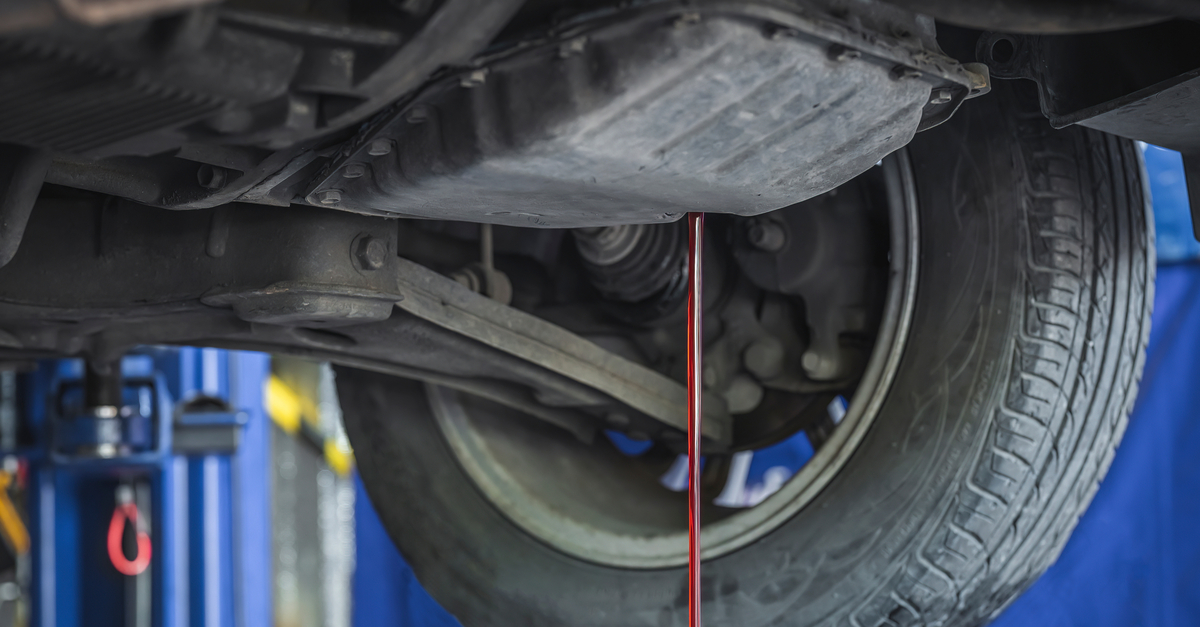
One sign that your vehicle may have a transmission fluid leak is that a puddle forms underneath the vehicle after you park it. Transmission fluid is typically reddish in color and has a distinct smell, making it easier to differentiate from other automotive fluids.
Keep an Eye on Your Dashboard
Another indicator is the appearance of the “Check Engine” light on your dashboard. Modern cars come equipped with sensors that detect fluid levels and alert you when something is amiss. Pay attention to these signals and act promptly to prevent further damage.
Pay Attention to Your Vehicle’s Ability To Shift Gears
You may also find that your vehicle is telling you something is wrong by how it shifts gears. If you notice hesitation, slipping, or rough gear changes, it could be due to low transmission fluid levels caused by a leak.
Transmission fluid lubricates moving parts and ensures smooth gear transitions. Any deviation from normal shifting behavior warrants an immediate inspection.
Be Aware of Any Odors
One last tip for identifying transmission fluid leaks is to be careful if you notice any unusual odors coming from your vehicle. Burning smells often indicate leaking transmission fluid hitting hot engine parts, a clear sign that you must provide your vehicle with immediate attention.
How To Resolve a Leak
Once you've identified a potential transmission fluid leak in your vehicle, you must resolve it. Here are steps to help you fix your transmission so that you can get back on the road without any problems.
Find the Source
Your first step is to determine where the leak is coming from. Inspect the transmission pan, fluid lines, and seals for visible wear or damage. Use a flashlight to get a clearer view, and don't hesitate to get a bit dirty—your car's health depends on it.
Decide Who Should Resolve It
Another important step is deciding who should resolve this issue. You should be able to fix a loose drain plug on your own with some basic tools and a bit of know-how.
However, more severe problems, like a cracked transmission pan or damaged fluid lines, require professional intervention. Don't attempt repairs beyond your skill level, as this can lead to more significant issues. Addressing transmission fluid leaks early will allow your vehicle and its transmission to go without repair for a longer amount of time.
Transparts Warehouse can help you achieve this goal with our high-quality transmission products, including automatic transmission coolers. Our coolers will help you keep your fluid cool so that your lines stay in good shape and free from leaks.


