The transmission is one of the most important components of any vehicle as it translates the engine’s power into motion. Today, vehicles can have automatic, manual, or continuously variable transmissions (CVTs). Knowing the differences between the three can help you choose the best one for your driving style. Read on for a comparison of automatic, manual, and CTV transmissions.
How Automatic Transmissions Work and Their Benefits
The transmission is the brain of an automatic vehicle, determining the optimal time to shift gears without driver intervention. These systems rely on a complex interplay of hydraulic fluid and planetary gear sets, which work together to change the vehicle’s gear ratios.
When you accelerate, the transmission’s torque converter senses this input and adjusts accordingly. This operation system allows drivers to enjoy various benefits, which you can learn about below.
Automatic Transmissions Are Easy To Use
One of the largest benefits of an automatic transmission is that it makes driving a more relaxed experience. The absence of a clutch pedal reduces the mental load on drivers, allowing them to focus on navigation and safety. This makes them particularly beneficial to new drivers. An automatic transmission eliminates the need to coordinate clutch and gear lever movements, reducing the learning curve associated with manual driving.
They Are Convenient in Heavy Traffic
Another benefit of automatic transmissions is that they are convenient in congested city environments. Driving a car with a manual transmission in stop-and-go traffic can be exhausting. However, with an automatic transmission handling the gear shifting, you will experience less fatigue and more comfort during long commutes. Automatics adjust effortlessly and allow you to maintain smooth acceleration even in heavy traffic conditions.
Automatics Cost Less To Service Than CVTs
Although automatic transmissions require regular maintenance, they usually incur lower service costs than CVTs. The technology behind automatic systems is well-established, making parts and repairs more readily available. Mechanics often have extensive experience working with these systems, which can result in quicker, less expensive repairs. This accessibility makes automatic transmissions a practical choice for many drivers.
How Manual Transmissions Work and Their Benefits
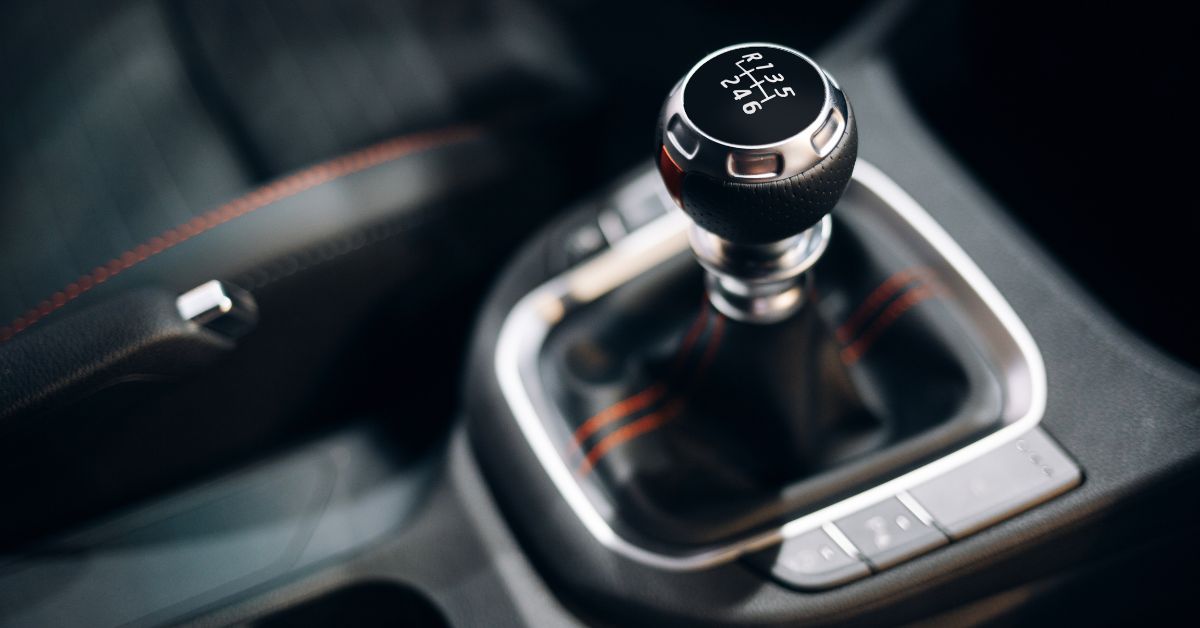
Operating a car with a manual transmission engages the driver in the driving experience. This is because they must manually select gear ratios by manipulating a shift stick and clutch pedal. The manual gearbox comprises a set of gears and shafts connected to the engine and wheels. The nature of this system has appealed to car enthusiasts for many reasons, which you can learn about below.
Manual Transmissions Give Control Over the Vehicle’s Power
One of the biggest draws of manual transmissions is their ability to give drivers full control over gear selection. Skilled drivers can fine-tune their driving to maximize performance, choosing gears that match specific road conditions or driving styles.
This level of control proves advantageous on winding roads or during spirited driving sessions. Manual transmissions also allow drivers to execute engine braking, a technique that assists in deceleration while conserving brake wear.
Manual Vehicles Cost Less To Purchase
Another advantage for drivers is that manual vehicles usually cost less than automatics. Because they have fewer components, they are less expensive to manufacture.
Additionally, the lower demand for manual vehicles in certain markets often leads to attractive pricing and purchasing incentives. For budget-conscious buyers or those looking for more cost-effective options, manual vehicles present a compelling financial choice without compromising driving enjoyment.
They Can Be More Fuel Efficient Than Automatics
Manual transmissions can also help drivers with fuel costs because they offer better fuel efficiency than automatics. Skilled drivers can shift gears at optimal points, minimizing fuel consumption. Drivers aiming to maximize fuel savings frequently gravitate toward manual transmissions. However, it is important to note that many manufacturers have improved the fuel efficiency of automatic vehicles.
Manual Transmissions Save on Servicing
Manual transmissions typically incur lower maintenance costs than their automatic and CVT counterparts. The simpler design of manual systems means drivers will have to replace fewer parts, saving them considerable cash. Many vehicle owners appreciate the potential for reduced repair bills associated with manual gearboxes.
How CVT Transmissions Work and Their Benefits
Now that we’ve compared automatic and manual transmissions, we can look at CVTs, which represent a departure from traditional gear-based systems. Like automatics, these vehicles do not require driver intervention. But unlike automatics or manual transmissions, CVTs employ a system of variable pulleys and belts to provide a range of gear ratios. CVTs appeal to drivers for various reasons, which we will discuss here.
CVTs Offer More Comfortable Rides
CVT transmissions deliver seamless power, resulting in a smooth and comfortable drive. Unlike traditional gearboxes, CVTs eliminate the jarring sensation of gear shifts, providing consistent acceleration.
This creates a more enjoyable driving experience, particularly when traveling on long journeys or on uneven terrain. Passengers experience less vibration and noise, enhancing overall comfort during extended trips.
CVTs Optimize Fuel Efficiency
Like manual vehicles, CVT transmissions excel in optimizing fuel efficiency. By continuously adjusting the gear ratio to maintain the engine’s optimal power range, CVTs minimize fuel consumption during acceleration and cruising.
This efficiency is beneficial when driving through cities where frequent stops and starts demand adaptable power delivery. Drivers concerned about fuel economy often find CVTs to be a compelling choice.
They Offer Simplicity
While manual transmissions require driver input for gear shifts, CVTs simplify the driving experience. CVTs eliminate the need for manual gear changes, allowing drivers to focus on their surroundings and enjoy a relaxed drive.
The absence of a clutch pedal further reduces driver workload, making CVTs an attractive option for those who prioritize convenience. This simplicity caters to new drivers and experienced individuals seeking a hassle-free commute.
As we’ve seen, automatic, manual, and CVT transmissions offer distinct features and advantages that cater to different driving preferences. Consider your priorities when choosing a transmission type that best suits your needs. If you have already purchased your vehicle and need to maintain it, Transparts Warehouse can help with our selection of automatic and manual transmission replacement parts. We offer trustworthy components and expert knowledge that can help you restore your transmission to normal.


