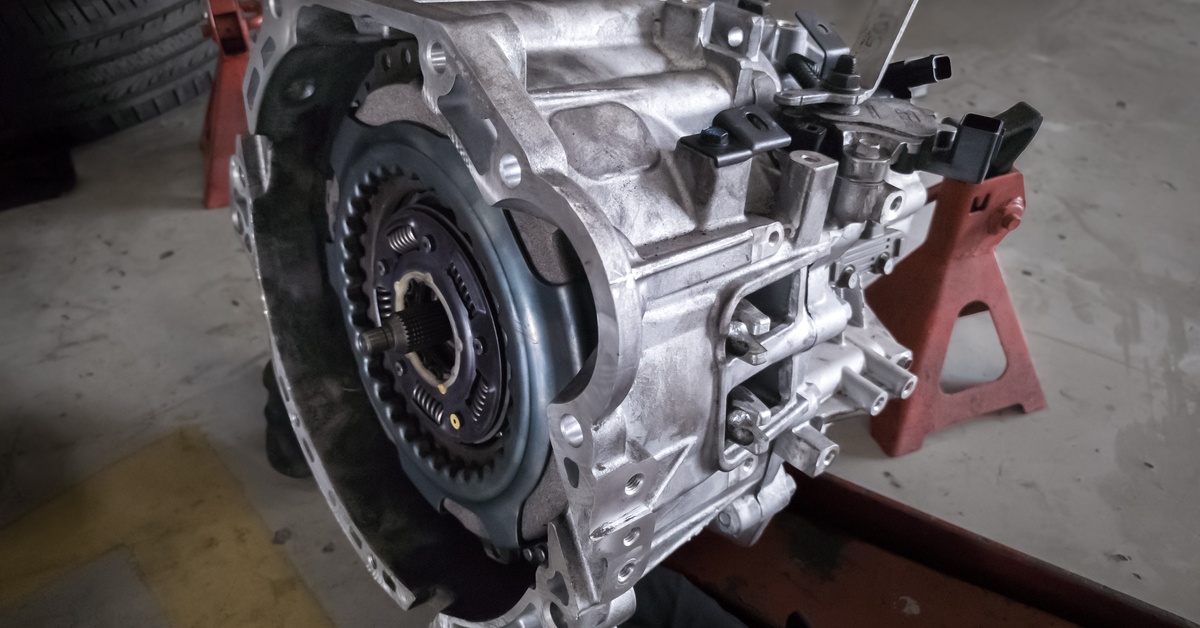
When an all-wheel-drive (AWD) vehicle struggles to engage the correct drive mode, the transfer case encoder motor could be responsible. This electrical component controls the movement of the transfer case shift mechanism. It allows the system to engage in the appropriate operating mode.
Electrical faults or mechanical resistance can interrupt that process and trigger drivetrain warning lights. Troubleshooting AWD transfer case encoder motors involves checking their electrical operation and determining whether internal transfer case problems contribute to the malfunction.
Check for Transfer Case Fault Codes
Begin the diagnostic process with a scan tool that communicates with the transfer case control module. Trouble codes identify whether the system has detected a motor circuit fault, an encoder position error, or an incomplete shift.
However, fault codes don’t always identify the defective component directly. Compare each code against the manufacturer’s diagnostic information so that you know if the motor needs replacing or not.
Inspect Encoder Motor Wiring and Connections
Electrical connections near the transfer case face exposure to road debris and moisture, increasing the risk of corrosion. Examine the encoder motor connector for damaged terminals, loose contacts, or moisture intrusion that could interfere with electrical signals.
Next, trace the wiring harness toward the control module, paying particular attention to areas near exhaust components. Heat damage or exposed conductors could interrupt motor operation even when the internal mechanism remains functional.
Test Encoder Motor Electrical Operation
When the motor doesn’t respond to a shift command, there could be an electrical supply problem. Technicians should check motor control circuits with a multimeter and examine whether the control module supplies the appropriate signals.
Some diagnostic procedures also allow technicians to command motor movement through a scan tool. If the electrical circuits function correctly but the motor fails its prescribed operational test, an internal motor fault becomes a likely cause.
Verify Encoder Position Sensor Feedback
The encoder position sensor communicates the shift mechanism’s position to the control module. When its signals become inconsistent, the module could struggle to engage successfully.
Compare the requested transfer case position against the actual position data on a compatible scan tool. Unexpected readings or signals that remain unchanged during a shift command could indicate sensor or circuit problems.
Inspect the Transfer Case Shift Mechanism
Mechanical resistance inside the transfer case can prevent a functioning encoder motor from completing its movement. Damaged shift forks or binding components could restrict the movement of the actuator shaft.
If electrical testing reveals no faults, technicians should inspect the shift mechanism according to the vehicle’s service procedures. Identifying mechanical resistance helps prevent unnecessary motor replacement.
Address Confirmed Transfer Case Damage
Successful AWD transfer case encoder motor troubleshooting distinguishes electrical failures from internal mechanical damage. Accurate diagnosis prevents unnecessary repairs and helps restore reliable drivetrain operation.
If the inspection reveals damaged internal parts, Transparts Warehouse offers a selection of transfer case components to address mechanical problems. Browse our inventory to find compatible parts for your transfer case repair.


