
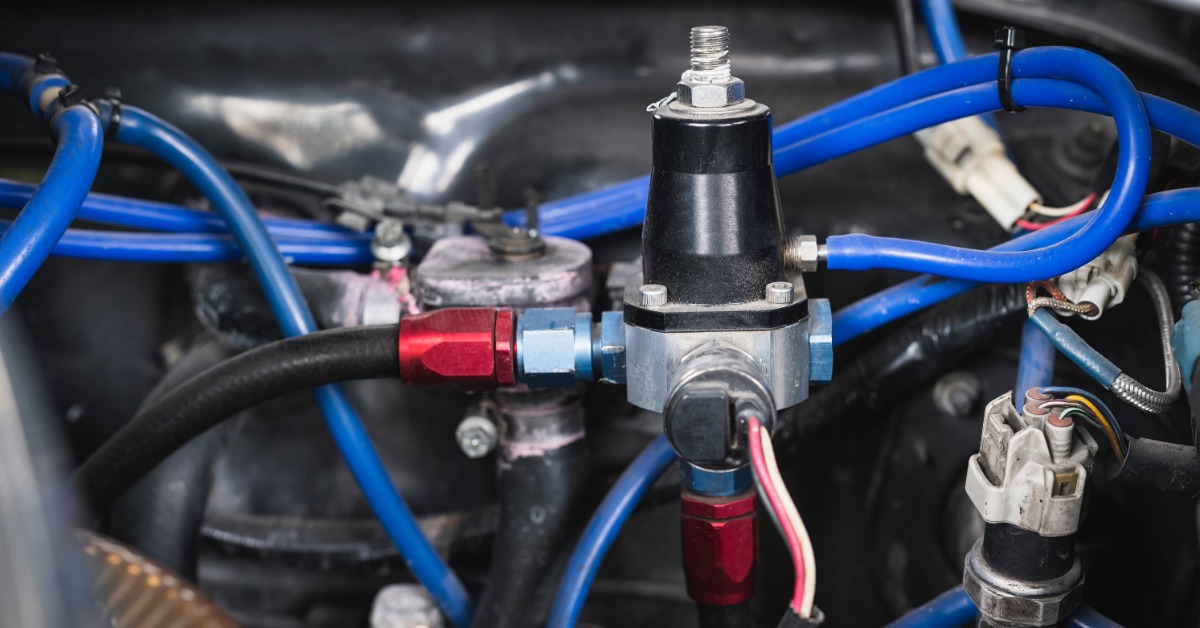
Freezing temperatures affect transmission fluid circulation, particularly when a vehicle has been sitting outside overnight. As the fluid cools, its viscosity increases, making circulation through narrow transmission cooler passages difficult. Bypass valves address this problem by controlling how fluid travels through the cooling system until the transmission reaches an appropriate operating temperature. Knowing how bypass valves protect cold transmission coolers provides valuable insight into maintaining fluid circulation and preventing unnecessary strain on transmission components during winter driving.
How Transmission Coolers and Bypass Valves Function
Automatic transmissions generate heat through internal friction and torque converter operation. Transmission fluid absorbs this heat, and the cooling circuit directs it through a transmission cooler to transfer excess thermal energy into the surrounding air or engine coolant.
However, when temperatures drop, the transmission doesn’t immediately benefit from additional cooling. First, the fluid must reach an appropriate operating temperature.
A bypass valve regulates fluid circulation according to the transmission’s cooling requirements. Thermostatic valves respond to fluid temperature, directing circulation away from the cooler during warm-up. Pressure-sensitive valves operate differently, opening an alternate passage when resistance within the cooling circuit produces excessive pressure. Although their operating mechanisms differ, both designs address circulation problems that become relevant during cold weather.
Redirect Thick Transmission Fluid
Transmission fluid becomes increasingly viscous as temperatures fall, meaning it doesn’t circulate as freely through narrow passages. During a cold start, the transmission pump must move this thick fluid through the system, including the cooler circuit when its design permits circulation. The additional resistance becomes a concern when low temperatures restrict fluid movement through the cooler’s internal channels.
A thermostatic bypass valve directs fluid through an alternate route until the transmission warms sufficiently. Depending on the transmission’s design, the fluid circulates through internal lubrication passages or another designated route that avoids the external cooler. This arrangement prevents unnecessary resistance in the cooler circuit during the initial warm-up period and allows fluid to circulate according to the manufacturer’s specifications.
How Temperature Controls the Valve Position
Many thermostatic bypass valves contain a wax-filled element that expands as transmission fluid temperatures rise. When the fluid remains cold, the element holds the valve in its bypass position, directing oil through the appropriate internal passage. As the transmission warms, the expanding element moves a pin that gradually shifts the valve toward its operating position.
The temperature that triggers this movement depends on the specific transmission. Some designs begin opening near 125 to 135 degrees Fahrenheit. Once the valve reaches its intended position, transmission fluid flows through the cooler to release excess heat.
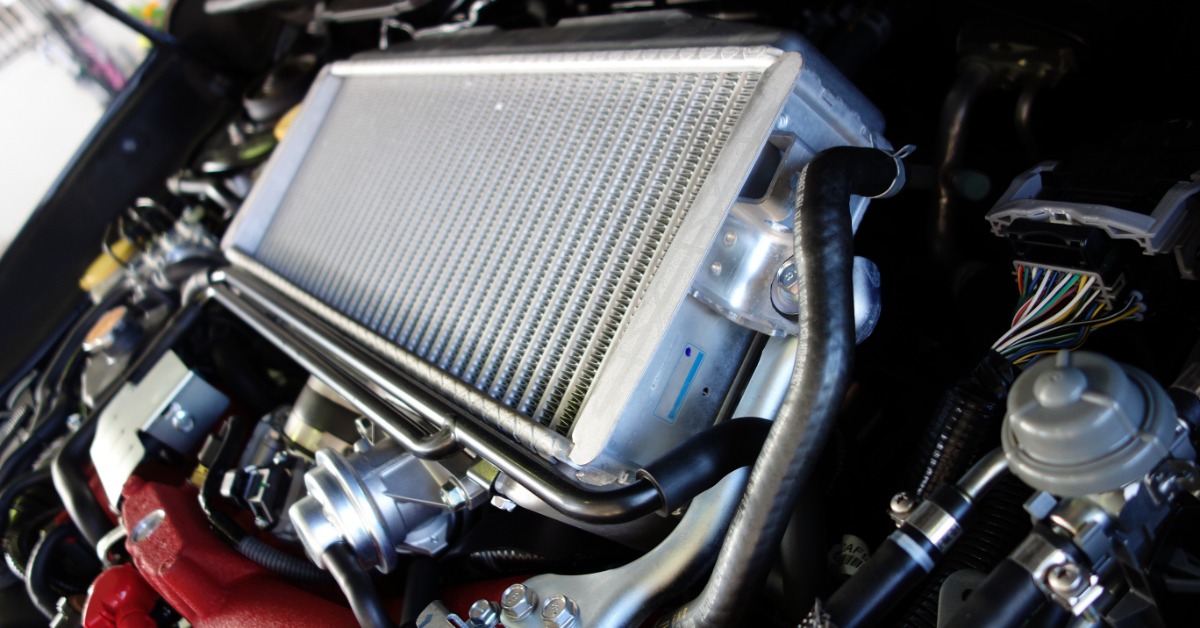
Prevent Circulation Restrictions
Extremely cold transmission fluid presents another problem when its thickness prevents adequate circulation through the cooler. If fluid encounters excessive resistance, pressure increases on the inlet side of the restricted passage. This condition places additional demands on the cooling circuit and interferes with the fluid movement necessary for proper transmission operation.
A pressure-sensitive bypass valve responds when the pressure difference reaches a predetermined threshold. Instead of forcing fluid through a restricted cooler, the valve opens an alternate passage that allows circulation to continue. The mechanism protects against excessive pressure buildup and maintains a fluid route when the cooler presents substantial resistance.
Prevent Excessive Fluid Cooling
Transmission fluid must operate within an appropriate temperature range to lubricate components and maintain hydraulic performance. Cold fluid has a high viscosity, increasing the resistance encountered as the pump moves oil through small internal passages. If the cooling system continuously removes heat during freezing weather, the transmission could take an extended period to reach the designated operating temperature.
Thermostatic bypass valves address this concern by limiting cooler circulation until the fluid warms sufficiently. For vehicles with external air-to-oil coolers, freezing air is able to pass across the cooler and remove heat from circulating fluid. By directing oil around the cooler during the warm-up period, the valve allows the transmission to gain heat from normal operation before introducing additional cooling.
Malfunctions Interfere With Cooler Protection
Contaminated transmission fluid and mechanical wear can prevent bypass valves from moving through their intended operating positions. A thermostatic valve that remains in the bypass position restricts circulation through the cooler, even after the fluid reaches its normal temperature. Consequently, the transmission may experience excessive heat because the cooling system cannot remove enough thermal energy.
A valve that remains in the cooling position presents the opposite concern during winter operation. Cold fluid circulates through the cooler prematurely, potentially delaying the vehicle’s ability to warm up and hindering hydraulic performance. Pressure-sensitive designs can develop similar circulation problems when debris damages the valve seat or the internal spring loses tension.
Identifying Bypass Valve Problems
Transmission temperature readings provide useful information when diagnosing cooling problems. Excessive operating temperatures can indicate insufficient cooler flow, whereas unusually slow warm-up may point toward a thermostatic valve that fails to close its cooling passage.
Technicians typically compare scan tool temperature readings against manufacturer specifications before inspecting the cooling circuit. However, temperature readings alone don’t confirm that fluid circulates correctly through the cooler. A dedicated flow test may be necessary to distinguish bypass valve problems from internal cooler restrictions or other transmission faults.
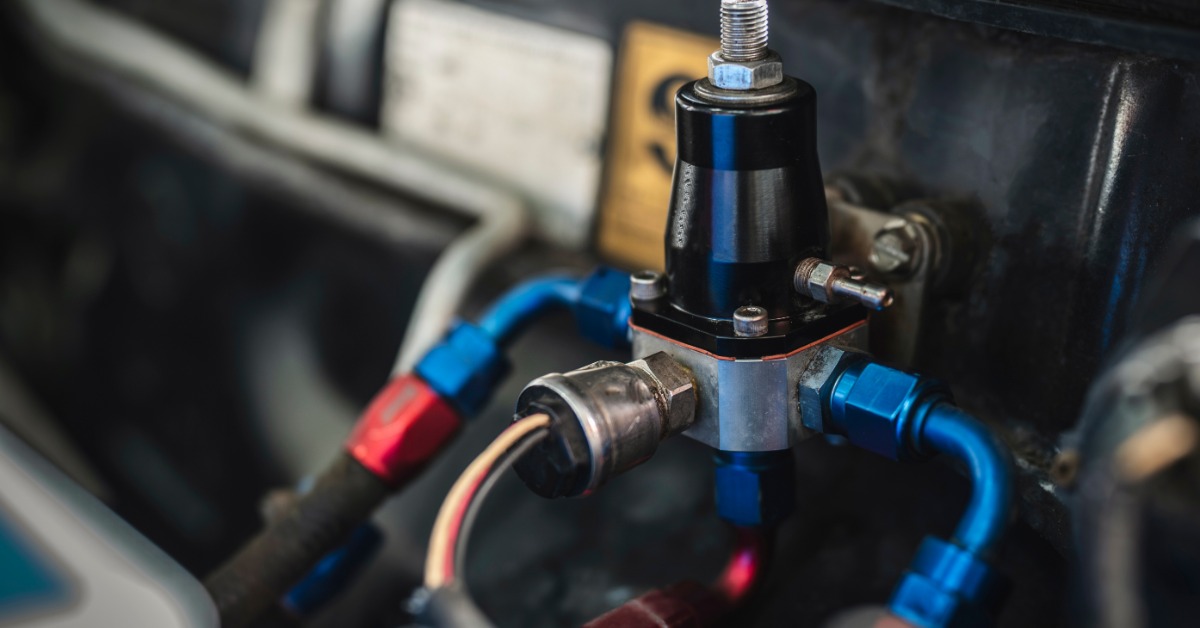
Proper Maintenance Protects Bypass Valve Operation
Maintaining clean transmission fluid is essential because contamination can interfere with the small moving components inside bypass valve assemblies. Debris from internal wear may collect around valve seats, preventing the mechanism from opening or closing completely. Following the manufacturer’s fluid service intervals limits the accumulation of contaminants that affect cooling circuit operation.
During transmission repairs, technicians should inspect cooler lines for restrictions and verify that replacement components match the original system specifications. An incompatible bypass valve may operate at an unsuitable temperature or pressure threshold, affecting fluid circulation.
Protect Transmission Cooling Performance During Winter
Protecting transmission coolers with bypass valves depends on proper valve operation and consistent fluid circulation. Cold-weather performance deserves attention because cooling circuit restrictions and temperature regulation problems can affect the transmission beyond the initial warm-up period.
Transparts Warehouse offers automatic transmission coolers for transmission maintenance and repair. Browse our selection to find compatible cooling components for your vehicle and maintain dependable transmission operation throughout the year.


