Few sounds frustrate drivers more than grinding gears. Usually, these noises do not happen randomly; instead, they signal that parts inside your transmission no longer move in perfect sync. To understand the warning signs and protect your drivetrain, let’s take a closer look at what's really happening inside when you hear these ominous noises.
Damaged Synchronizers
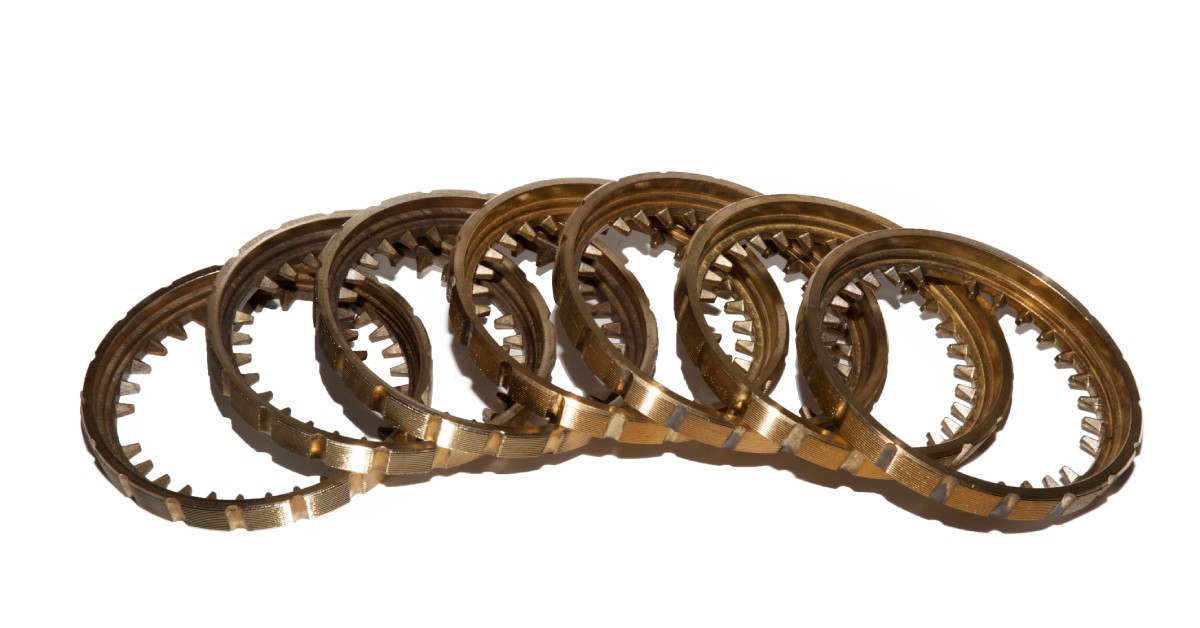
One reason why your gears may be grinding is that you have damaged synchronizers, which normally play a critical role in manual transmissions. They match the gear and shaft speeds before engagement, allowing you to shift smoothly without clashing teeth. When synchros wear down, they lose their ability to equalize speeds quickly and effectively.
When you drive aggressively or shift quickly without fully engaging the clutch, you can accelerate synchro wear. Over time, even normal driving can wear down these friction surfaces. Replacing worn synchronizers restores smooth shifts and prevents further internal damage.
A Failing Clutch System
Your clutch disengages engine power from the transmission so you can shift gears. If the clutch does not fully disengage, the input shaft continues to spin while you attempt to shift. That spinning motion forces the gears to fight each other, which produces grinding.
Common causes include a worn clutch disc, a stretched cable, or a failing hydraulic master or slave cylinder. You might also notice a soft pedal, slipping under load, or difficulty getting into reverse. Addressing clutch issues early helps protect the gears from unnecessary wear.
Transmission Fluid Issues
Something else that could be happening inside when you hear grinding gears is transmission fluid issues. This fluid lubricates gears, bearings, and synchronizers while also helping manage heat. However, when fluid levels drop or contamination builds up, friction within the case increases.
Metal shavings in old fluid often point to internal wear that has already begun. If you ignore fluid maintenance, gears can grind because heat and friction degrade the surfaces designed to mesh cleanly. Regular inspections and fluid changes keep internal components protected and responsive.
Worn Gear Teeth
Each gear relies on precisely cut teeth to mesh smoothly with its counterpart. Over time, high mileage, aggressive driving, or poor lubrication can chip or round off those teeth. When damaged teeth attempt to engage, they skip or clash instead of sliding neatly into place.
Consistent grinding in a single gear often signals localized gear damage. Continued driving under those conditions can send metal fragments through the transmission, damaging bearings and other gears. Replacing worn gears prevents a minor issue from becoming a full rebuild.
Shift Linkage Problems
Your shift linkage connects your shifter to the transmission’s internal shift forks. If linkage components wear out or fall out of adjustment, the transmission may not fully engage a gear. Partial engagement leaves gear teeth vulnerable to grinding under load.
Tightening or replacing worn linkage components restores precise gear selection and reduces strain on your internal parts. Proper alignment ensures that gears lock into place as designed.
Now you know how grinding gears can point to a mechanical issue that demands attention. Whether the culprit involves synchronizers, clutch components, or gear teeth, each part plays a role in smooth operation.
Transparts Warehouse can help you restore your vehicle’s smooth operation with our selection of manual transmission replacement parts. Reach out to us today for components that will keep your vehicle shifting mile after mile confidently.


