
Replacing an automatic transmission is a significant undertaking that can be incredibly rewarding, offering a deeper connection to your machine. However, the complexity of modern transmissions means small oversights can lead to major problems down the road. To ensure a smooth and successful project, learn about five mistakes during automatic transmission installations that can compromise your hard work.
Failing To Fully Seat the Torque Converter
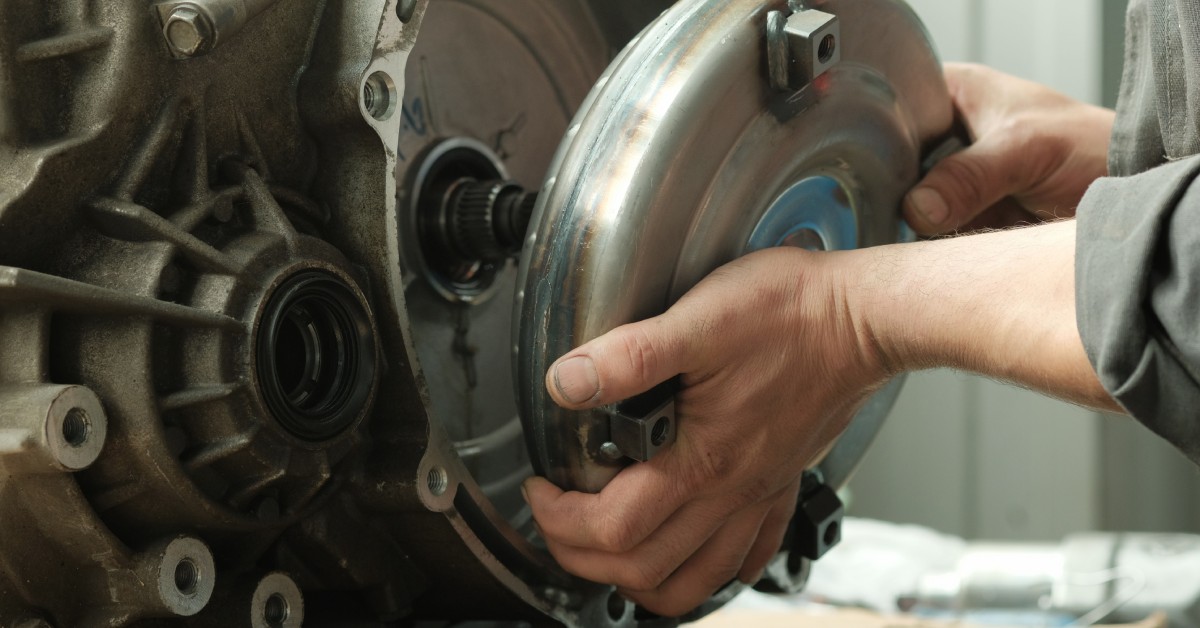
One of the most frequent and damaging errors that people make involves the torque converter. You must ensure it is fully seated before you install the transmission.
If the converter is not properly engaged with the transmission's front pump, bolting the bell housing to the engine will force it into place, which can destroy the pump gears. To avoid this, carefully slide the converter onto the input shaft, rotating it until you feel it drop into place multiple times. This confirms it is fully seated and ready for installation.
Forgetting To Flush the Cooler and Lines
Another mistake during automatic transmission installations is failing to flush the transmission cooler and its associated lines. They can hold onto debris and contaminated fluid from the previous failed unit.
This old material will immediately circulate through your newly installed transmission, causing premature wear and potential failure. You should always use a dedicated flushing machine or an approved solvent to thoroughly clean the cooler and all lines before connecting them to the new transmission.
Reusing Old Seals and Gaskets
It may seem like a simple way to save time, but you are asking for trouble by reusing old seals and gaskets. These components harden and lose their sealing ability over time due to heat cycles and exposure to transmission fluid.
Installing a new or rebuilt transmission with old, brittle seals will almost certainly result in leaks. Always replace every seal and gasket you encounter during installation, including axle seals, to ensure a leak-free, reliable final result.
Overlooking Proper Electrical Connections
Modern automatic transmissions rely heavily on electronic controls to manage shifting, lockup, and diagnostics. Failing to check and secure every electrical connector, sensor, and harness during installation can lead to frustrating issues such as warning lights, erratic performance, or non-functioning gears.
Always double-check each connection for corrosion, bent pins, or loose fittings before buttoning up the job. Taking this extra step ensures seamless communication between your vehicle’s computer and the transmission, providing reliable operation and accurate troubleshooting down the road.
Failing To Inspect Driveshafts and Mounts
Although your focus is on the transmission itself, do not overlook the related components. Worn-out transmission mounts can cause excessive vibration and place stress on the new unit.
Similarly, you should inspect the driveshaft U-joints for any play or roughness. Installing a perfect transmission with faulty mounts or a bad driveshaft will only lead to further problems and prevent you from enjoying a smooth ride. Take the extra time to inspect and replace these parts as needed.
A successful transmission installation is a testament to careful work and attention to detail. By avoiding these common pitfalls, you can protect your investment and ensure your vehicle performs at its best. Taking the time to do the job right from the start saves you from costly future repairs.
However, if you need to repair your transmission, contact Transparts Warehouse today. We offer automatic transmission repair kits that provide everything you need, so you can enjoy your next drive with renewed confidence.


