
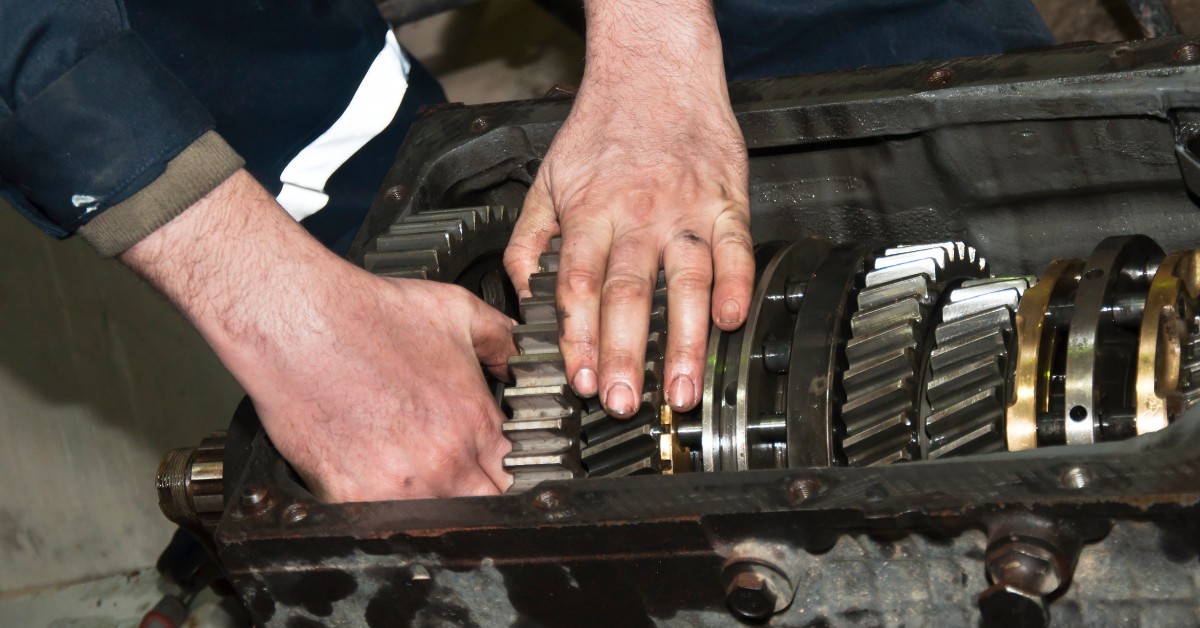
Although a car’s engine often steals the spotlight, car enthusiasts know that a vehicle’s transmission works just as hard to ensure optimal performance during every drive. However, like an engine, your transmission can’t provide you with top performance forever. Read on to learn how long your car’s transmission will really last and tips that will help maintain its performance.
The Expected Lifespan of a Transmission
We often measure vehicle longevity by engine mileage, but the transmission dictates the car's endurance just as much. With proper care, your transmission can exceed 300,000 miles.
However, if you don’t provide maintenance, you may see that number drop to 100,000 or lower. Therefore, the answer to how long your transmission will last relies heavily on your vigilance as an owner.
Strategies for Extending Transmission Life
Now that you know how long your car’s transmission will really last, you may wonder what practices will help ensure that it delivers smooth shifts and reliable power transfer for years to come. We will examine methods for protecting this expensive component.
Master the Art of Fluid Maintenance
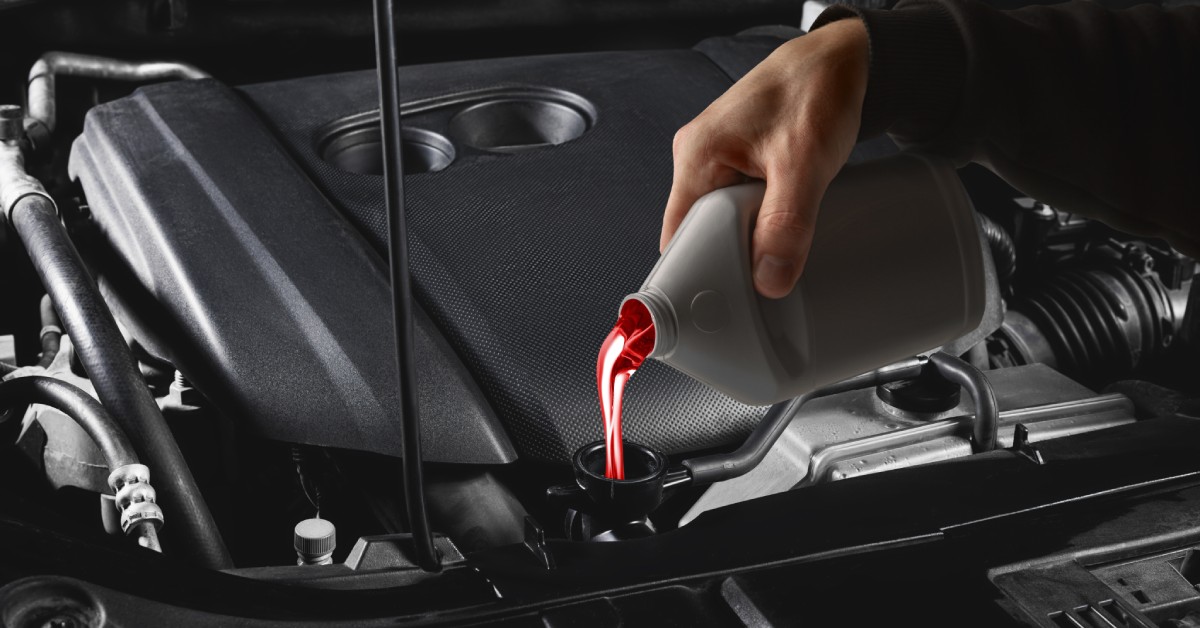
Transmission fluid serves as the lifeblood of the system. It lubricates moving parts, provides hydraulic pressure, and helps dissipate heat. Over time, this fluid degrades and loses its protective properties. Metal shavings and clutch material contaminate the fluid, turning it into an abrasive sludge that eats away at seals and gears.
You must change your transmission fluid and filter at the manufacturer-recommended intervals. Regularly checking the fluid level and condition also provides insight into the transmission's health. Healthy fluid looks bright red and has a sweet aroma. However, dark, burnt-smelling fluid indicates internal overheating or damage. If you notice this, schedule a service immediately.
Install a Transmission Oil Cooler
Heat stands as the number one enemy of automatic transmissions. When the internal temperature exceeds 200 degrees Fahrenheit, the fluid begins to oxidize rapidly. This oxidation causes varnish to form on internal parts, leading to sticky valves and eventual failure.
Standard factory cooling systems often struggle to keep up during spirited driving or heavy towing. Installing an aftermarket trans oil cooler solves this problem effectively.
A transmission oil cooler functions like a small radiator dedicated solely to transmission fluid. It routes hot fluid through a series of fins where airflow dissipates the heat before returning the cooled fluid to the transmission.
This simple addition can drop operating temperatures by 20 to 30 degrees. For every 20-degree drop in operating temperature, you can roughly double the life of the fluid and internal components.
Practice Smart Driving Habits

Your driving style directly impacts the stress placed on the transmission. Aggressive launches and abrupt stops force the internal clutches to engage and disengage violently. This generates excessive heat and accelerates wear on friction materials.
Instead, accelerate smoothly and allow the transmission to shift gears naturally. Avoid shifting from reverse to drive while the vehicle is still rolling, as this can shock the drivetrain and cause internal components to snap.
For manual-transmission drivers, riding the clutch is a major no-no. Resting your foot on the clutch pedal keeps the throw-out bearing engaged and causes the clutch disc to slip slightly against the flywheel. This friction generates heat and prematurely wears out the clutch.
Similarly, using the transmission to hold the car on a hill instead of the brakes places unnecessary strain on the clutch assembly. Always use the parking brake when parked to relieve pressure on the parking pawl in automatic transmissions or on the gears in manual transmissions.
Don’t Ignore Leaks
Transmission leaks often start as small spots on the driveway but quickly escalate into major problems. A low fluid level can reduce hydraulic pressure. Without sufficient pressure, the transmission cannot hold gears firmly and slips as a result.
This slipping creates friction, which generates heat and destroys clutch packs in a matter of miles. You must investigate any red puddles under your car without delay.
Common leak points include the pan gasket, output shaft seals, and cooler lines. While a small leak might seem manageable by topping off the fluid, it acts as a gateway for dirt and moisture to enter the system.
Water destroys transmission clutch material almost instantly. Fixing a seal costs a fraction of the price of a complete transmission replacement. Treat every leak as a critical emergency to preserve system integrity.
Allow for Proper Warm-Up
Your car requires time to wake up, just like you do in the morning. Transmission fluid thickens when cold, causing it to move sluggishly through the valve body and small passages. Driving aggressively immediately after engine start-up forces thick fluid through these delicate components, causing high-pressure spikes that can blow out seals or damage internal sensors.
Allow the engine to idle for a minute or two before driving off, especially in colder climates. This gives the fluid time to circulate and warm up slightly. Once you begin driving, keep the RPMs moderate until the vehicle reaches operating temperature.
This patience ensures the fluid flows freely and lubricates all bearings and gears effectively. Respecting mechanical warm-up times demonstrates true mechanical sympathy and pays dividends in long-term reliability.
Monitor Transmission Electronics
Modern transmissions rely heavily on electronic sensors and solenoids to control shifting. The transmission control module (TCM) monitors vehicle speed, throttle position, and engine load to determine the perfect shift point. Faulty sensors send incorrect data to the TCM, causing erratic shifting or "limp mode," in which the transmission remains in a single gear to prevent damage.
Electrical connections degrade over time due to heat, vibration, and corrosion. Ensuring that your battery and alternator function correctly also supports transmission health, as low voltage causes electronic components to behave unpredictably.
If your check engine light comes on, scan the codes immediately. Often, a transmission issue stems from a simple sensor failure rather than a mechanical breakdown. Addressing electronic gremlins early prevents them from causing mechanical stress on the hard parts of the transmission.
Maximizing the lifespan of your vehicle's transmission requires a combination of disciplined maintenance, mechanical sympathy, and smart upgrades. By understanding how heat and friction affect internal components, you can improve your car's reliability and performance.
You can also ensure your drivetrain remains robust by sourcing high-quality standard transmission parts from Transparts Warehouse today. Contact us today to give your transmission the attention and respect it deserves and keep it running at its peak.


