
The world of four-wheel-drive (4WD) systems offers incredible mechanical diversity, but few components spark as much debate as the mechanism that engages them. For decades, drivers relied on physical levers to shift power to all four wheels, yet modern innovation has introduced convenience to this rugged equation.
Understanding the distinct engineering behind these systems is crucial for anyone looking to build a capable off-road rig or restore a classic truck. Let's dive into the mechanics and see exactly how electronic and manual shift transfer cases compare.
The Mechanics of Electronic Shift Transfer Cases
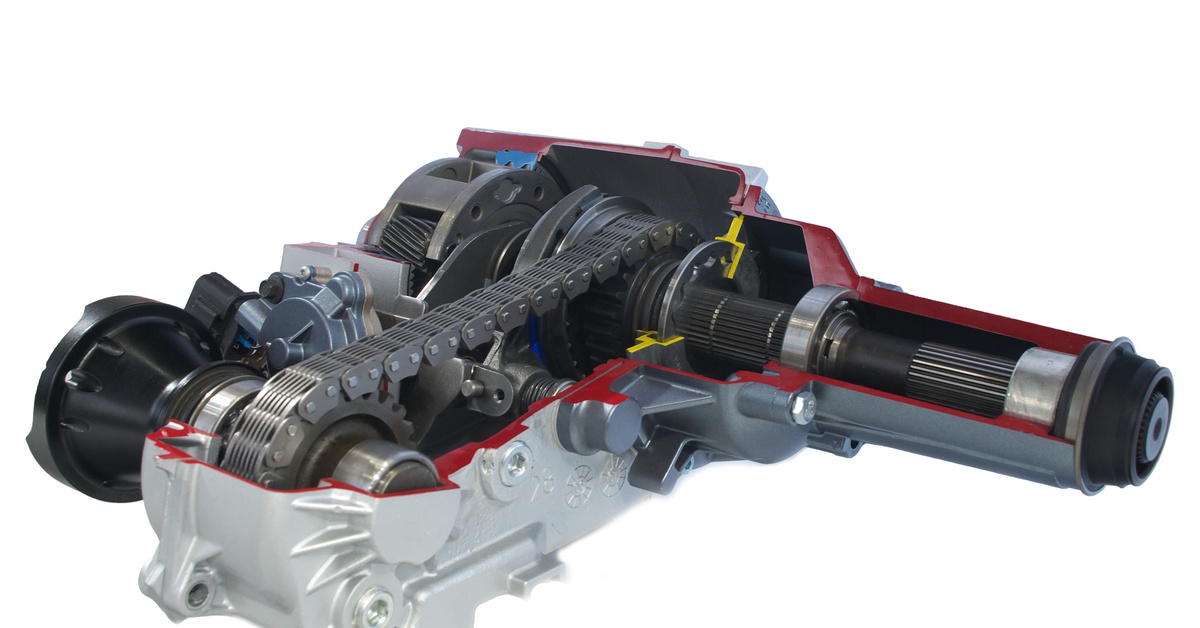
Electronic shift transfer cases represent the modern evolution of 4WD engagement, replacing mechanical linkage with sophisticated electromechanical systems. In this setup, an electric motor or actuator mounts directly to the transfer case housing and performs the physical work of shifting gears. When the driver turns a dial or presses a button inside the cabin, the vehicle's computer sends a signal to this actuator to engage the front driveshaft or switch between high and low ranges.
These systems offer undeniable convenience and integration with modern vehicle safety features. Because the computer controls the shift, it can prevent the driver from engaging four-wheel low at highway speeds, protecting the internal gears from catastrophic damage. This automation makes 4WD accessible to a wider range of drivers who might not understand the intricacies of gear meshing.
The Engineering Behind Manual Shift Transfer Cases
On the other hand, manual shift transfer cases rely on a direct, physical connection between the driver and the drivetrain components. A lever protrudes through the cabin floor, connecting via linkage rods directly to the shift forks inside the transfer case. When you pull that lever, you physically move the internal collars that lock the front driveshaft into place or engage the planetary reduction gears for low range.
For the purist and the hardcore off-roader, this mechanical simplicity translates to absolute reliability and tactile feedback. You can feel the gears mesh through the lever, which reassures you that the system has engaged properly before you tackle a difficult obstacle. If the linkage remains intact, the driver maintains total control over the vehicle's tractive capabilities.
How To Decide Which System Fits Your Build
After comparing electronic and manual shift transfer cases, you may find yourself asking, “Which works better for my vehicle?” If you prioritize daily driving comfort and the ability to shift on the fly without taking your hands off the wheel, the electronic shift system is best for you. It excels in inclement weather where you need traction immediately without fighting a stiff lever, making it ideal for overland builds and daily drivers.
However, if you are building a dedicated rock crawler or restoring a vintage utility vehicle, the manual shift transfer case remains the superior choice. The simplicity of a manual lever means fewer points of failure in remote locations, and the physical effort required to shift is a small price to pay for that peace of mind.
Both transfer case styles offer distinct advantages depending on whether you value modern convenience or traditional mechanical engagement. Understanding these differences will ensure you select the right equipment for your specific automotive adventures.
When you need to make repairs or replace transfer case parts, reach out to Transparts Warehouse. We have an extensive selection of high-quality components that can enhance your upcoming adventures in your truck or SUV.


