Many four-wheel-drive (4WD) vehicles depend on a transfer case to send power where the drivetrain needs it during street driving, trail use, or towing. When the bearings or seals inside that assembly start to wear, small noises and leaks can grow into drivetrain problems that affect performance and reliability.
Car enthusiasts who understand these warning signs can make smarter repair choices before damage spreads into other transfer case components. Read on for an explanation of transfer case bearing and seal failures, so you can better protect your vehicle and plan repairs with confidence.
Symptoms of Bearing and Seal Failures
Bearing and seal problems can show up in several ways, and the first warning signs may seem minor. Learning about these symptoms can help you better decide when the transfer case needs attention.
Fluid Leaks Around the Transfer Case
A transfer case seal failure may leave fluid around the output shaft, input area, or lower-case surface after the vehicle has been parked. This type of leak matters because the transfer case relies on lubricant to reduce friction between moving parts and protect bearings under load. If the fluid level drops too far, heat and metal contact can damage parts that would otherwise last much longer.
Gear Oil Smell After Driving
A strong gear oil smell after highway driving or trail use can indicate fluid leaking from a worn seal and reaching hot drivetrain surfaces. The smell may appear before a large spot forms under the vehicle, so drivers should not ignore it simply because the leak looks small. A light film of oil around the case can still mean the seal no longer holds fluid where the transfer case needs it.
Whining or Growling Noises

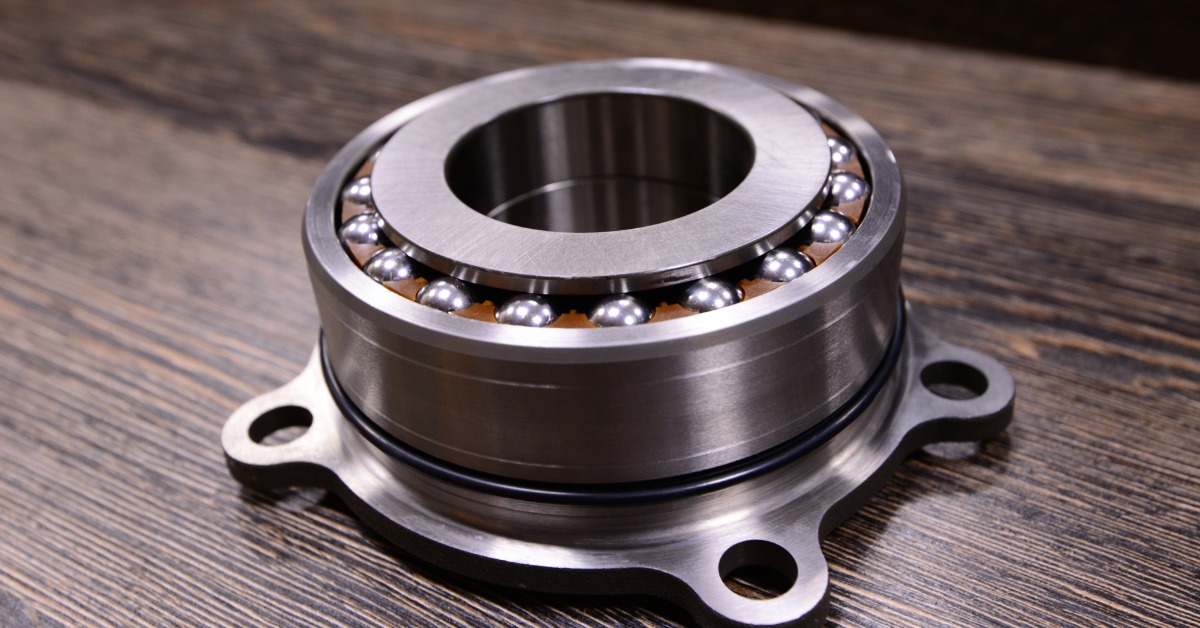
A worn bearing can create a whining or growling noise that changes with vehicle speed. The sound may become more noticeable during acceleration or deceleration because the bearing experiences additional movement within the transfer case. Drivers should treat drivetrain noise as a warning sign, as bearing wear can cause shaft movement and damage surrounding components.
Vibration Through the Floor or Driveline
Bearing wear can allow the shaft or gear set to move in ways the transfer case cannot support for long. That movement may create vibration through the floor, shifter area, or driveline, especially at certain road speeds. A vibration that appears after off-road use or towing warrants attention, as it may indicate alignment or bearing issues, among others.
Causes of Bearing and Seal Failures
After reviewing the symptoms of transfer case bearing and seal failures, let’s examine what causes them. This information can help drivers prevent repeat incidents in the future.
Low or Contaminated Fluid
Low fluid reduces the protective layer between bearings, gears, chains, and shafts inside the transfer case. Contaminated fluid can carry metal particles or dirt through the assembly, which increases wear on bearing surfaces and seal lips. Drivers who skip fluid checks after heavy use may miss early signs that the transfer case lacks the protection it needs.
Heat From Heavy Use
Towing or off-road driving can raise transfer case temperatures, especially when the vehicle carries extra weight or operates under constant load. Heat can thin the lubricant, harden seals, and accelerate wear on bearings that already have age or mileage. Once heat damages a seal lip, fluid loss can begin, creating another source of bearing stress.
Worn U-Joints or Driveline Imbalance
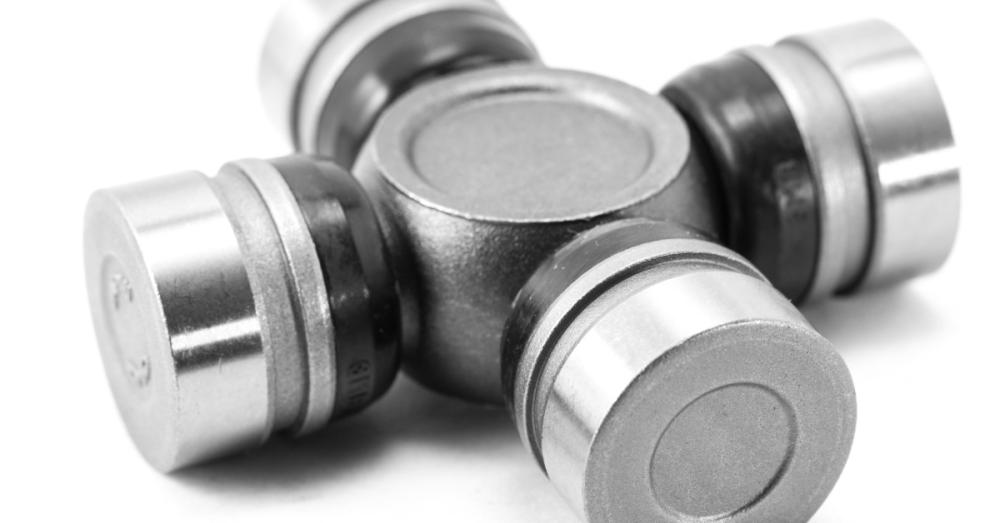
A faulty universal joint or driveline imbalance can transmit vibration to the transfer case. That vibration can place additional stress on output bearings and seals because these parts must support rotating shafts while containing fluid within the case. Replacing a leaking seal without checking the driveline may only provide a temporary repair.
Incorrect Installation or Part Fit
Bearings and seals need the right fit and depth to work as intended. A seal installed at the wrong angle can leak early, while a bearing pressed with uneven force can develop damage before the vehicle returns to the road. Enthusiasts who rebuild transfer cases at home should carefully match parts and follow the service information.
Damaged Shaft or Seal Surface
A new seal cannot hold fluid if the shaft surface has grooves, rust, or pitting where the seal lip rides. The worn area may cut the new seal or create a path for fluid to pass even when the seal itself looks fine. Any repair should include a close look at yokes, flanges, and sealing surfaces so the new parts have a smooth contact area.
How To Avoid Failures
Avoiding bearing and seal failure starts with inspection habits and attention to the entire driveline, not just the leaking area. A transfer case can last longer when owners match maintenance to their vehicle's actual use.
Check Fluid Level and Condition
Owners should check the transfer case fluid at service intervals and after trips involving towing, deep water, or harsh trail conditions. Fluid that looks dark or gritty, or is low, warrants prompt attention. Keeping the right fluid in the case helps the bearings and seals operate under the loads the vehicle generates.
Inspect for Leaks During Routine Service
A quick look under the vehicle may allow you to spot damp areas around the transfer case before a leak becomes severe. Drivers should inspect the input area, output seals, drain plug, fill plug, and case seams when changing oil or checking drivetrain components. A small leak gives the owner a chance to repair the seal and confirm the fluid level before damage to the bearing develops.
Address Driveline Vibration Early
Vibration should not become part of the driving experience, especially in a vehicle that you use for towing or off-road work. Checking U-joints, driveshaft balance, pinion angles, mounts, and yokes can help identify stress that may shorten the life of transfer case bearings and seals. Fixing the vibration source protects the replacement parts and helps prevent the same leak from returning.
Use Quality Replacement Parts
Transfer case repairs depend on parts that match the application and can handle the vehicle’s operating conditions. Quality bearings and seals help enthusiasts rebuild with confidence, rather than repeat the same repair due to poor fit or weak materials. Choosing the right kit also reduces the risk of missing small parts you need to replace while the case is open.
Transfer case repairs often involve more than just replacing a worn bearing or a leaking seal, because those failures can indicate stress elsewhere in the driveline. Taking time to inspect related components, evaluate bearing and seal wear, and address the underlying cause can help the repair last longer. Choosing quality replacement parts also gives enthusiasts more confidence.
When you need transfer case parts for your next repair or rebuild, turn to Transparts Warehouse. Reach out to us today for components that will support your drivetrain project and help you avoid future failures.


