
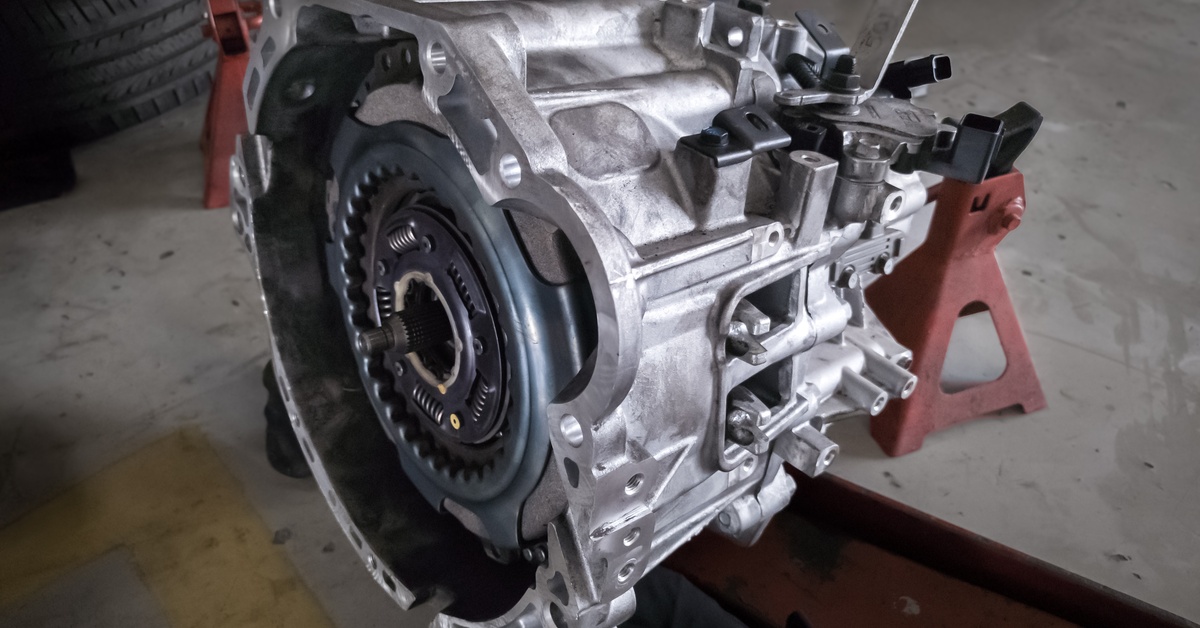
Most drivers know to avoid deep standing water, but many do not fully understand the specific dangers that it can pose to their vehicle. Water damage can drastically affect the transmission. Understanding the mechanics of water damage is the first step in protecting one of your car's most vital and expensive components.
Contamination of Transmission Fluid
Water does not mix well with transmission fluid; instead, it creates a sludgy, pink mixture. This contaminated fluid can no longer provide adequate lubrication.
The water molecules reduce the fluid's viscosity and break down its protective additives. As a result, metal-on-metal contact causes accelerated wear and generates excessive heat. The emulsified fluid is also much less effective at transferring heat, leading to overheating.
Corrosion and Rust Formation
Another way that water damage affects your transmission is by launching a relentless, corrosive attack on the internal components. Manufacturers build transmissions from a variety of metals that are highly susceptible to rust and oxidation when exposed to moisture. Contact with water initiates an electrochemical reaction that corrodes pristine metal surfaces.
This corrosion is not just a cosmetic issue. Rust particles can flake off and circulate throughout the transmission. This can clog narrow channels, score cylinder walls, and prevent valves from moving freely, leading to erratic shifting, slipping gears, or a complete loss of hydraulic pressure. Over time, critical components like the torque converter, clutch packs, and planetary gear sets can become so corroded that they fail.
Damage to Electronic Components
Modern transmissions rely heavily on a sophisticated network of electronic components to function correctly. The transmission control module (TCM), solenoids, and various sensors work together to manage shift points, fluid pressure, and torque converter lockup. Manufacturers design them to operate in a dry, protected environment.
Even minimal moisture can disrupt the flow of electricity, causing sensors to send incorrect data to the TCM or prevent solenoids from actuating properly. This can manifest as a transmission that gets stuck in one gear, refuses to shift, or enters a "limp mode" to prevent further damage.
Compromised Clutches and Bands
Inside an automatic transmission, clutch packs and bands are responsible for engaging and disengaging different gear sets. Manufacturers design these parts to operate while submerged in clean transmission fluid, which helps them engage smoothly and dissipate heat. When water contaminates the fluid, it saturates these friction materials.
The water can cause the bonding agent that holds the friction material to the steel plates to delaminate and fail. The material itself can swell, glaze over, or break apart, losing its ability to grip effectively. This leads to severe slipping, delayed engagement, and a noticeable loss of power.
Protecting your transmission from the elements is a critical aspect of vehicle maintenance. By being a careful and conscious owner, you can prevent damage to your transmission and better ensure it has a long service life.
You can also take good care of your transmission by buying components from Transparts Warehouse. Contact us today to learn about our various products, including transmission coolers for sale.


