
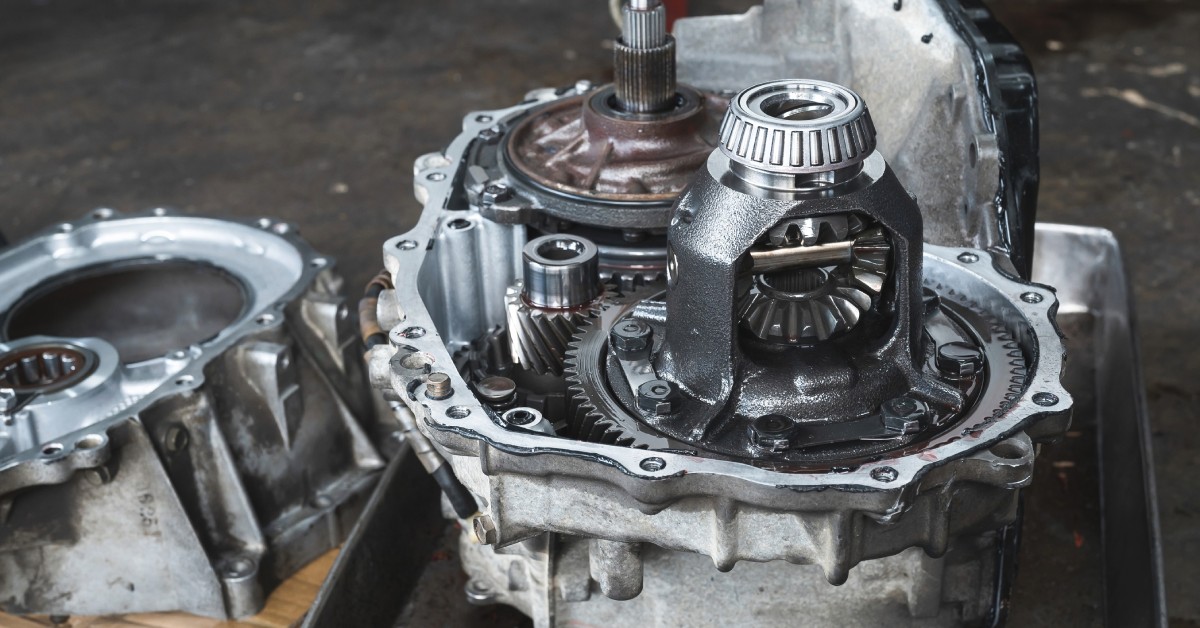
In the transmission repair world, two common terms regularly surface: remanufactured and rebuilt. But as a person who is passionate about keeping their car running at peak performance, you need to understand the distinctions between these parts.
However, there are significant differences between remanufactured and rebuilt parts. Read on to learn about them so you can make more knowledgeable choices during your next transmission project.
How They Are Similar
Before examining the differences between these two types of parts, it’s important to note that they share a common purpose: restoring used components to a reliable, serviceable condition. Instead of buying entirely new parts from the original manufacturer, drivers and technicians can opt for either of these solutions as a practical, affordable alternative.
When manufacturers reclaim and restore parts to full functionality, they contribute to sustainability and efficiency in the automotive landscape. The fact that a torque converter can go from the scrapyard back to efficient operation demonstrates the remarkable potential of remanufacturing and rebuilding alike. This resourcefulness allows enthusiasts to breathe new life into their transmissions with thoughtful engineering.
Understanding Rebuilt Transmission Parts
When you buy a rebuilt transmission part, you are purchasing one that technicians carefully disassembled, cleaned, and closely inspected in a dedicated shop or workshop setting. Every component undergoes a detailed evaluation to identify cracks, wear, and potential failure points.
The technician will replace damaged or worn parts with either new or high-quality refurbished alternatives. Consider, for example, a valve body suffering intermittent shifting issues. During rebuilding, the technician will take it apart entirely, clean out any accumulated debris, and thoroughly inspect the passages for obstructions or scoring.
They will exchange faulty valves or worn gaskets for new ones, but any undamaged hard parts will remain. After the technician carefully reassembles this part, the rebuilt part can offer reliable performance.
Understanding Remanufactured Transmission Parts
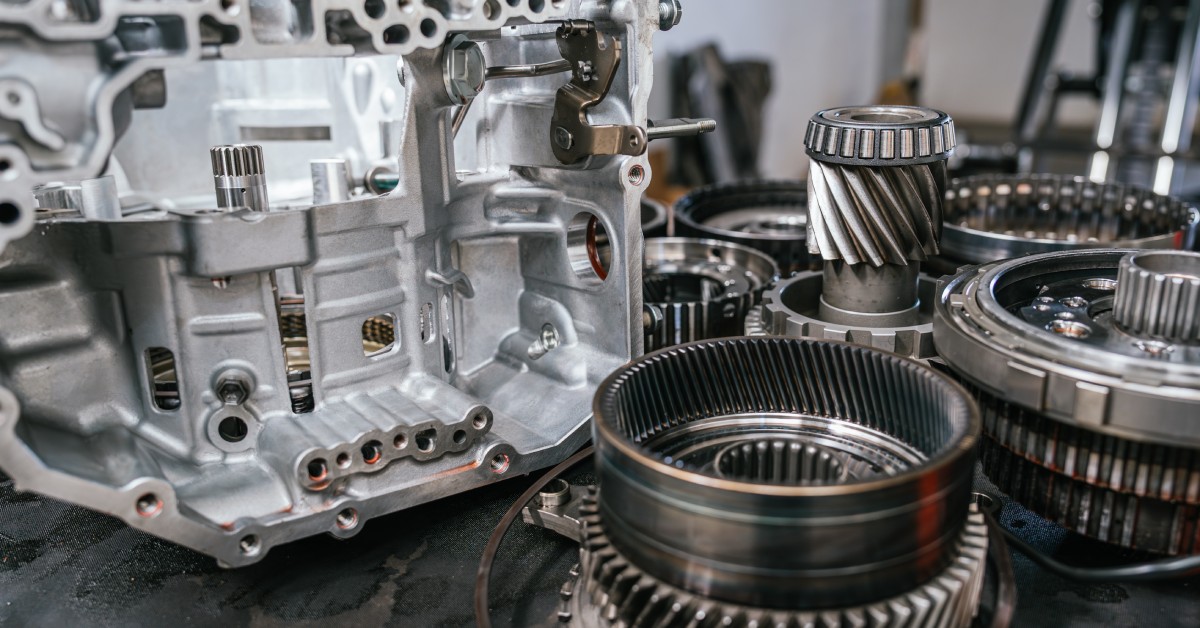
On the other hand, remanufactured transmission parts undergo a far more standardized and rigorous industrial process. This takes place within specialized factories or facilities equipped with advanced tools and strict quality control protocols.
Technicians will completely disassemble each component and then clean it with professional-grade equipment. But the difference really stands out in how they measure and inspect every single part. They will look for obvious defects and ensure compliance with precise original equipment manufacturer (OEM) specifications.
Usually, they will always replace soft elements, such as seals, friction materials, and bushings. However, they will remachine or substitute hard parts if they don’t meet strict tolerances.
Imagine a remanufacturing facility handling thousands of valve bodies each year. Every unit starts its journey on the production line, receiving ultrasonic cleaning, then 3D inspection to ensure it matches the latest technical drawings.
Technicians will replace any piece that even slightly deviates from the ideal, guaranteeing that when the remanufactured valve body leaves the facility, it performs as reliably as a brand-new OEM part. This level of scrutiny makes remanufactured parts especially appealing for technicians and drivers seeking predictable, factory-level results.
The factory environment for remanufacturing also mirrors new-part production. Parts are rebuilt to meet or exceed the standards set during their original manufacture. Technicians reference the latest technical service bulletins and incorporate any updates implemented by the OEM since the component’s initial release.
Additional Distinctions Between the Two
Beyond their manufacturing processes, there are other differences between remanufactured and rebuilt parts, including how readily they’re available and what they’ll cost you. Understanding these practical considerations will help ensure you make the best choice for both your specific needs and your budget.
Availability
When choosing between rebuilt and remanufactured transmission parts, it's crucial to consider both availability and your expectations for longevity. Some rare or discontinued parts may only be available as rebuilt, sourced from trusted workshops specializing in older models or performance upgrades.
Conversely, car enthusiasts usually find it is easy to access remanufactured parts for popular transmissions or current production vehicles. They may even include extensive documentation or test results with your purchase.
Cost Differences
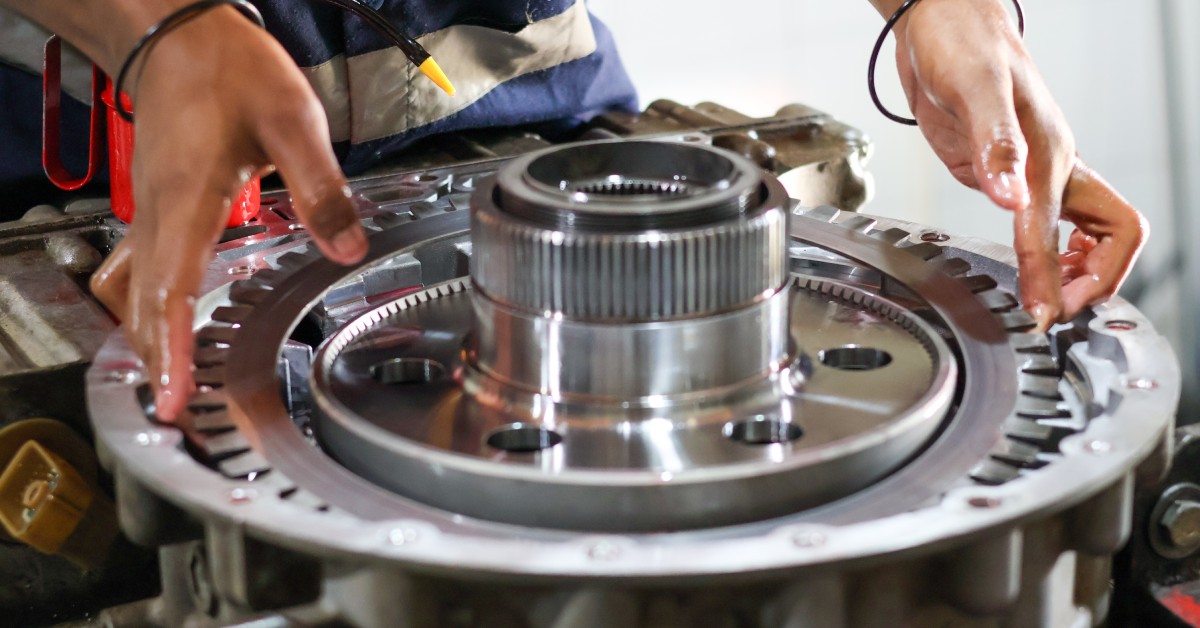
Car enthusiasts and mechanics may also notice substantial cost differences between rebuilt and remanufactured transmission parts. Remanufactured parts typically command a higher price point because they undergo a rigorous, industrial-level process.
This all-encompassing effort leads to consistency and peace of mind, but comes with costs that are more standardized and, often, higher upfront. For example, if you buy a remanufactured valve body or torque converter, you will pay for the remachined component and the comprehensive testing technicians performed. By contrast, companies base the cost of rebuilt parts on the labor required and the specific components that need replacement or refurbishment.
How To Choose the Best Option for Your Needs
Selecting between rebuilt and remanufactured transmission parts is about more than just restoring function—it’s about maximizing performance, reliability, and the opportunity for customization. Rebuilt parts offer the flexibility that enthusiasts usually see as a benefit.
They allow you to address only the components that matter most for your unique setup. This approach can be ideal for vintage restorations or modified builds where originality, specific gear ratios, or bespoke solutions enhance the driving experience and make your machine stand out.
On the flip side, remanufactured parts offer repeatable precision and modern engineering updates, which boost confidence in challenging performance or demanding daily-use scenarios. The factory-level overhaul ensures every component meets or exceeds original specs, often incorporating technical improvements not present in the initial design.
That level of predictability is especially appealing to enthusiasts pushing their cars on spirited drives, on track days, or to those who simply crave the peace of mind that comes with comprehensive quality control. Whichever route you take—rebuilt for customization or remanufactured for consistency—you’re investing in the longevity and enjoyment of every mile behind the wheel, guided by your personal vision of automotive perfection.
Now that you have a clear understanding of remanufactured and rebuilt transmission parts, you can start to see new possibilities in automotive repair and performance upgrades. Both routes are effective, cost-conscious alternatives to purchasing all-new components, each bringing their own blend of craftsmanship, engineering, and reliability to the table.
If you want to purchase high-quality remanufactured or rebuilt transmission parts for your vehicle, contact Transparts Warehouse today. Our inventory includes automatic transmission parts for sale that will ensure your next project meets the highest standards.


