
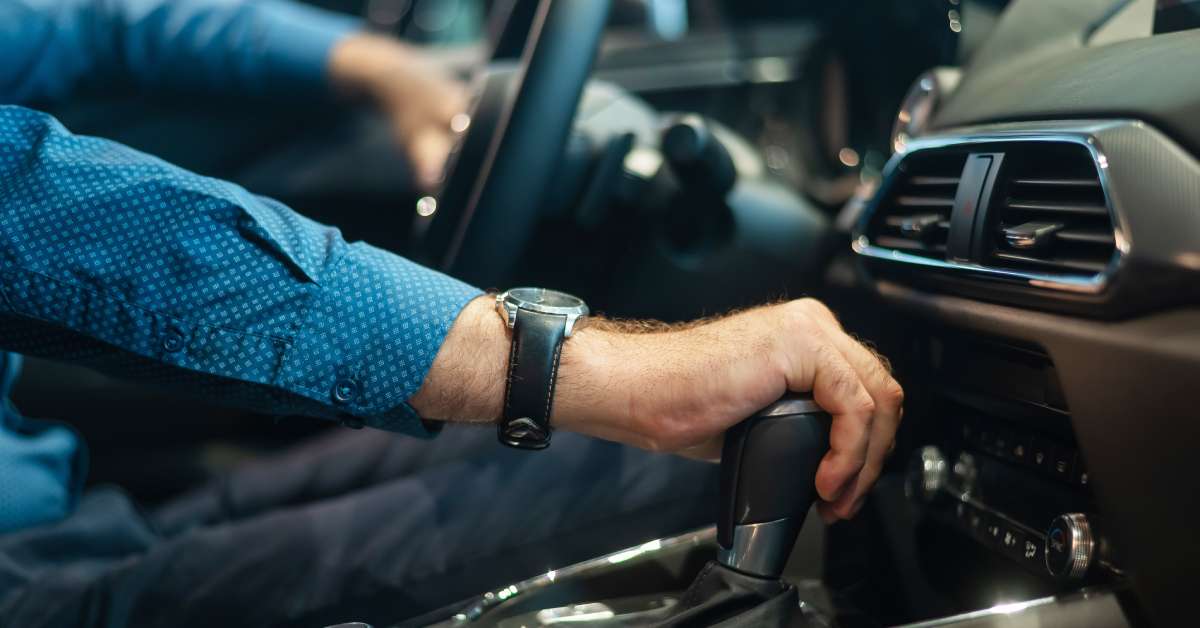
More drivers are purchasing electric cars as people around the world seek to reduce their carbon footprint. This makes it essential for car enthusiasts and mechanics to know the major distinctions between automatic transmissions and electric cars (EVs). Find out how these technologies two differ from each other below.
Automatics and EVs Have Different Transmissions
One way that automatic vehicles set themselves apart from EVs is that they are internal combustion vehicles with multi-speed transmissions. These vehicles have a series of gears that allow the engine to deliver power to the wheels. This design ensures that the engine operates within an optimal range, improving fuel efficiency and reducing wear.
In contrast, EVs usually feature single-speed transmissions, a design choice that aligns with the unique characteristics of electric motors. This straightforward transmission system simplifies the drivetrain, reduces weight, and enhances overall vehicle reliability. Consequently, EVs have the ability to give you a smooth driving experience while living up to their reputation for greater efficiency.
Their Abilities To Generate Torque Differ
Another major way that automatic transmissions and EVs differ is that automatics must build up torque as part of their operation. With their internal combustion engines, the automatics cannot instantly send this power to the wheels. Instead, the vehicles must send the power through the gears, while the engine can only create torque during certain revolutions per minute (RPM).
However, EVs can produce maximum torque even when they are at a standstill, thanks to the instantaneous nature of electric motors. As soon as you press the accelerator, the motor delivers full power without any delay, providing a rapid and seamless acceleration experience.
This is possible because EV engines can generate it through multiple RPMs. This immediate production enhances performance and allows drivers to enjoy a more responsive experience than traditional automatics.
They Offer Different Experiences in Busy Traffic
One last way that the two contrast is in the experience they provide to motorists while driving in heavy traffic. When drivers operate an automatic vehicle on a congested road, they should have a smooth and controlled driving experience. The multi-speed transmission allows for seamless gear changes, reducing the jerking motion often associated with frequent stops and starts.
However, electric vehicles can be less intuitive to drive in busy traffic. The instant torque delivery can make it challenging to navigate stop-and-go conditions smoothly. Drivers may find it harder to modulate the power delivery precisely, leading to less controlled maneuvering.
These differences between automatic transmissions and electric cars reflect the underlying technologies that power them. Transparts Warehouse can help those looking for transfer case parts to maintain automatic and standard transmission vehicles. Our wide selection of components will allow you to find the exact part that will help you get your vehicle running smoothly again.


