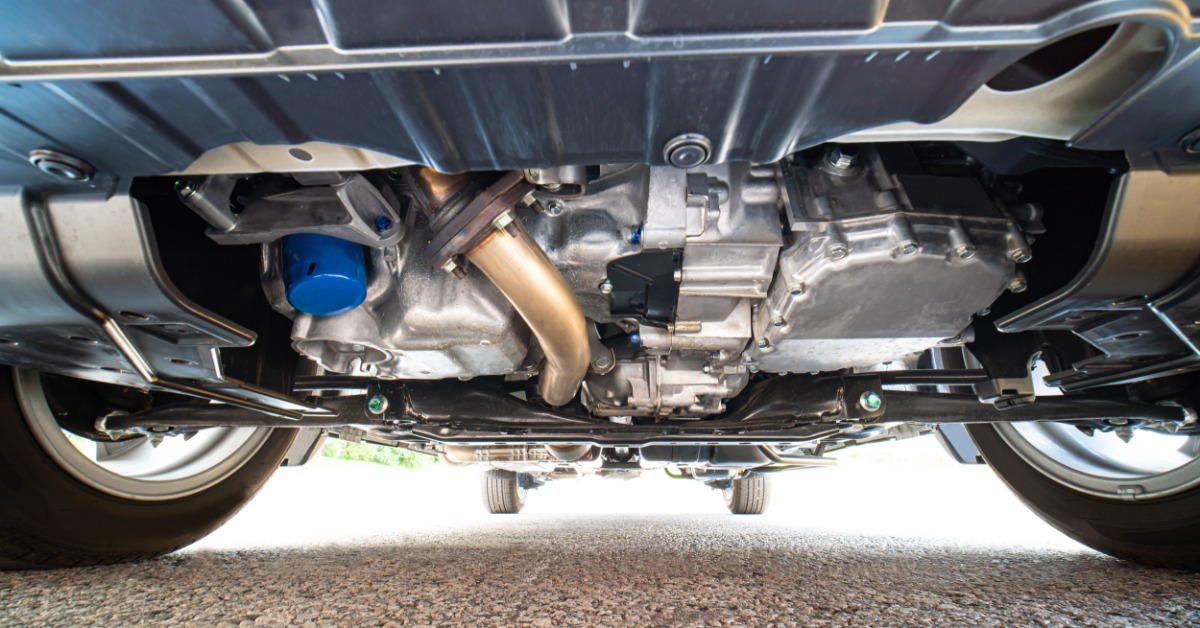
Once the transmission pan comes down, its contents become evidence from thousands of shifts and miles of internal movement. A thin gray coating tells a different story from sharp metal flakes or black clutch debris.
Interpreting automatic transmission wear from the pan depends on texture and color. Because several findings share similar appearances, one clue shouldn’t carry the entire diagnosis. Compare the pan evidence with shift behavior and service history before choosing the next repair step.
Fine Gray Paste Reflects Routine Wear
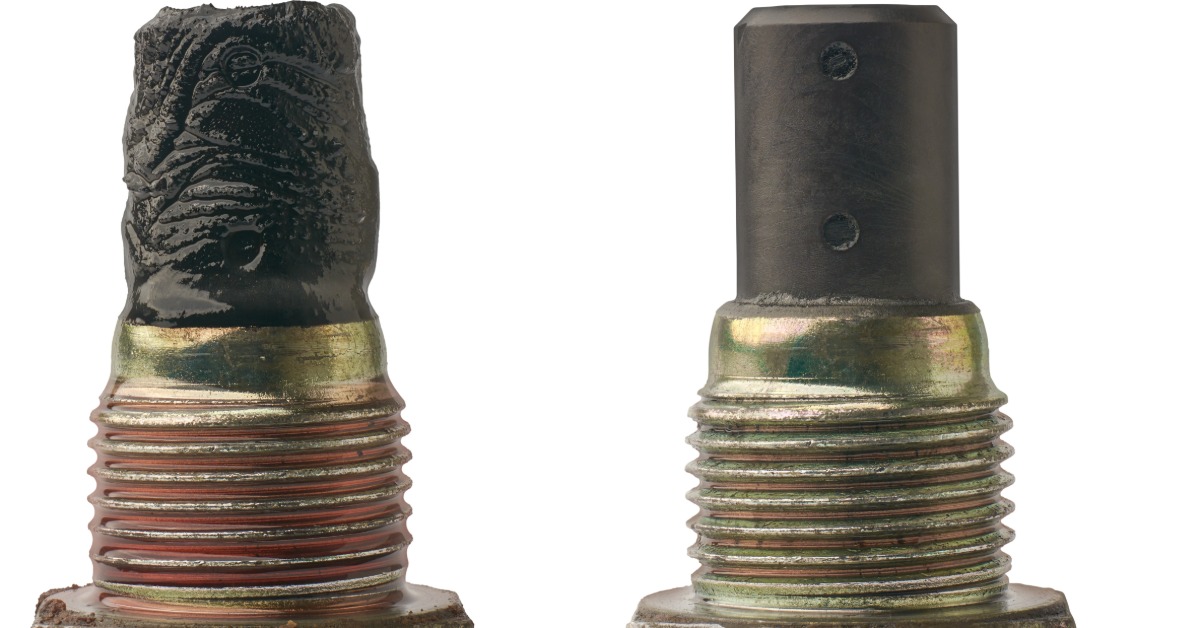
After the pan comes off, a smooth gray coating on the magnet usually reflects microscopic ferrous particles from routine steel contact. The magnet collects this fine material before it continues circulating through passages and other sensitive areas. A thin film with a smooth texture differs greatly from sharp flakes or pieces large enough to separate by hand. Routine residue offers a useful baseline because it shows the traces left by modest mechanical wear.
Service history changes how technicians interpret this finding. A magnet cleaned recently shouldn’t accumulate the same volume found after a long service interval. Heavy fuzzy buildup over a short distance warrants added scrutiny even if individual particles remain small. Comparing the amount with the last pan inspection provides stronger context than judging color alone.
Sharp Metal Shavings Signal Hard-Part Damage
Against the dark pan floor, bright flakes or needle-like slivers deserve closer inspection because they suggest active contact between metal components. Bearings and gearsets sometimes shed visible material after surfaces score or lose their intended clearances. Steel fragments usually cling to the magnet, whereas other metals settle across the pan floor.
When separating ordinary dust from abnormal debris, texture is a helpful clue. Fine paste smears across a fingertip, while sharp fragments hold a distinct edge or shape. The pattern of debris warrants inspection alongside its size. Fresh sharp fragments suggest active wear, while rounded particles could reflect older damage or material remaining from a previous repair. Concentrated piles near the magnet point toward ferrous material circulating through the unit. Scattered flakes across the floor warrant inspection even when the magnet carries only a light coating.
Brass-Colored Debris Suggests Bushing Wear
Among darker residue, gold or brass-colored particles point toward internal components aside from steel fragments. Automatic transmissions use bushings and thrust components in locations where rotating assemblies require controlled spacing. As these soft metal surfaces wear, their debris sometimes settles in the pan instead of collecting on a magnetic insert. The color warrants close inspection even when the magnet itself appears relatively clean.
A few isolated specks could trace back to prior repair work or normal component aging. However, a noticeable spread of yellowish flakes suggests wear has advanced beyond a minor surface polish. Excess clearance around a worn bushing disturbs alignment and oil control inside the transmission. Matching this debris with pressure concerns or mechanical noise narrows the inspection toward the affected assembly.
Black Friction Material Reveals Clutch Wear
Across the pan floor, dark granular material sometimes comes from friction linings inside clutch packs or bands. These surfaces grip during gear changes and release as the transmission routes power through different elements. Excessive slipping generates heat and removes lining material at a faster rate. The resulting debris resembles dark flakes or gritty sediment instead of metallic shavings.
A heavy layer of black material suggests substantial friction-surface wear, especially when shift flare or delayed engagement appears at the same time. Burned clutch material sometimes accompanies a sharp odor in the fluid after repeated overheating. Once friction material accumulates heavily, a fluid change alone won’t replace the lining internal components have already lost.
Burnt Fluid Points to Heat Damage
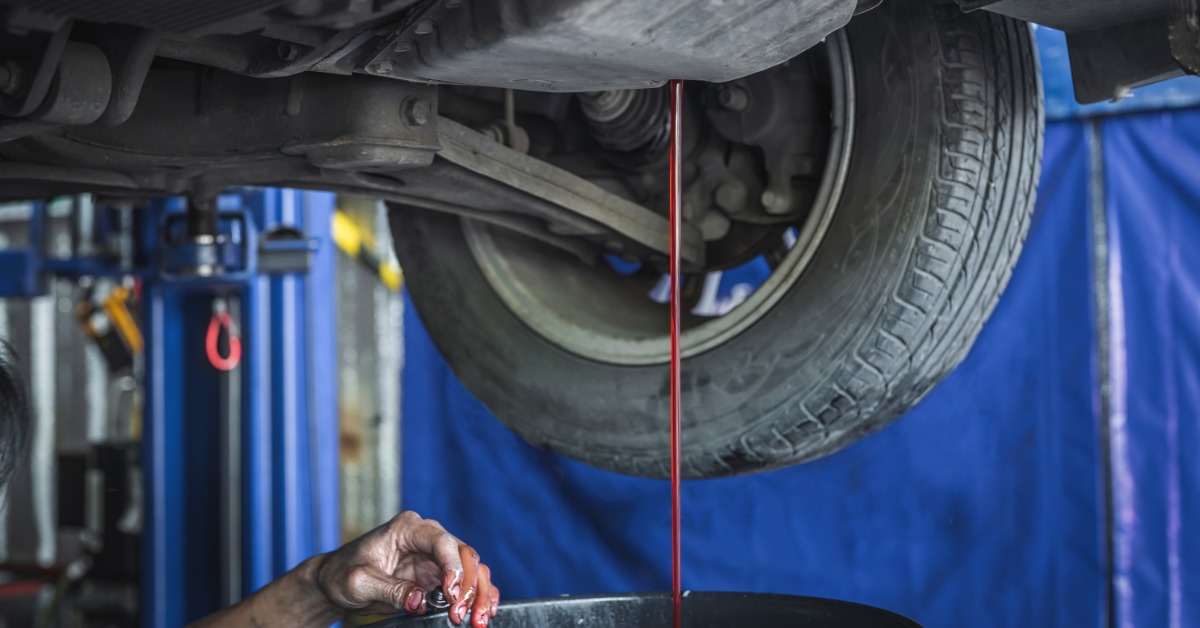
Smell adds information beyond visible debris because excessive heat changes fluid odor and performance. A burning smell indicates oxidizing fluid or internal slipping associated with excessive temperature.
Odor becomes more meaningful when the pan contains friction debris or visible metal at the same inspection. Heat weakens fluid performance and accelerates wear across clutch surfaces and lubricated components. Repeated overheating sometimes traces to slipping clutches or a cooling system fault. Pairing fluid condition with debris patterns provides a stronger diagnostic foundation than relying on shade by itself, since many automatic transmission fluids have a naturally dark color.
Milky Fluid Signals Contamination
A hazy emulsion across the pan points away from ordinary wear because moisture or coolant could have entered the transmission. Water contamination changes the fluid’s appearance and interferes with lubrication inside hydraulic and mechanical assemblies. Some vehicles route transmission fluid through a heat exchanger in the radiator or cooling system. A breach in the circuit could mix coolant with transmission fluid.
Contaminated fluid damages friction materials and promotes corrosion across internal surfaces. The pan sometimes shows pale streaks or an emulsion instead of the clear oily appearance of uncontaminated fluid. Identifying the source quickly protects the repair from repeated contamination after service. The inspection should address both fluid condition and the failed sealing point behind the mixture.
Coolant contamination attacks friction linings and leaves residue unlike normal clutch dust. Rust-colored staining on steel components offers another clue of moisture exposure. Those findings move the issue beyond a routine fluid service because fresh fluid won’t remove the contamination source. Repair work should stop the leak before new fluid enters the transmission.
Broken Pieces Indicate Severe Damage
Near the magnet or pan edge, fragments large enough to identify by shape signal a much different problem than gray paste or scattered flecks. Snap rings and bearing pieces sometimes reach the pan after a component breaks inside the transmission. Teeth or other hardened fragments point toward severe mechanical failure within rotating assemblies. Their size shows the transmission has moved beyond ordinary wear debris.
Broken pieces deserve a deliberate inspection before anyone replaces fluid and closes the pan. A fragment provides clues about the damaged assembly even if the transmission continues moving under its own power. Continued operation risks circulating additional debris through the pump and valve body. At this stage, the pan serves as evidence of an internal failure requiring a mechanical diagnosis.
Use Pan Evidence To Guide Repairs
The pan doesn’t provide a complete transmission diagnosis by itself. However, its debris and fluid condition reveal whether the unit shows routine residue or evidence of serious internal damage. Accurate reading of transmission wear from the pan works best by connecting the warning signs with operating symptoms and the vehicle’s service history.
Transparts Warehouse carries automatic transmission repair kits for rebuild and repair projects involving worn clutch components, damaged hard parts, and more. Whether your vehicle reveals sharp metal or broken fragments, we have replacement components available to address wear.


