
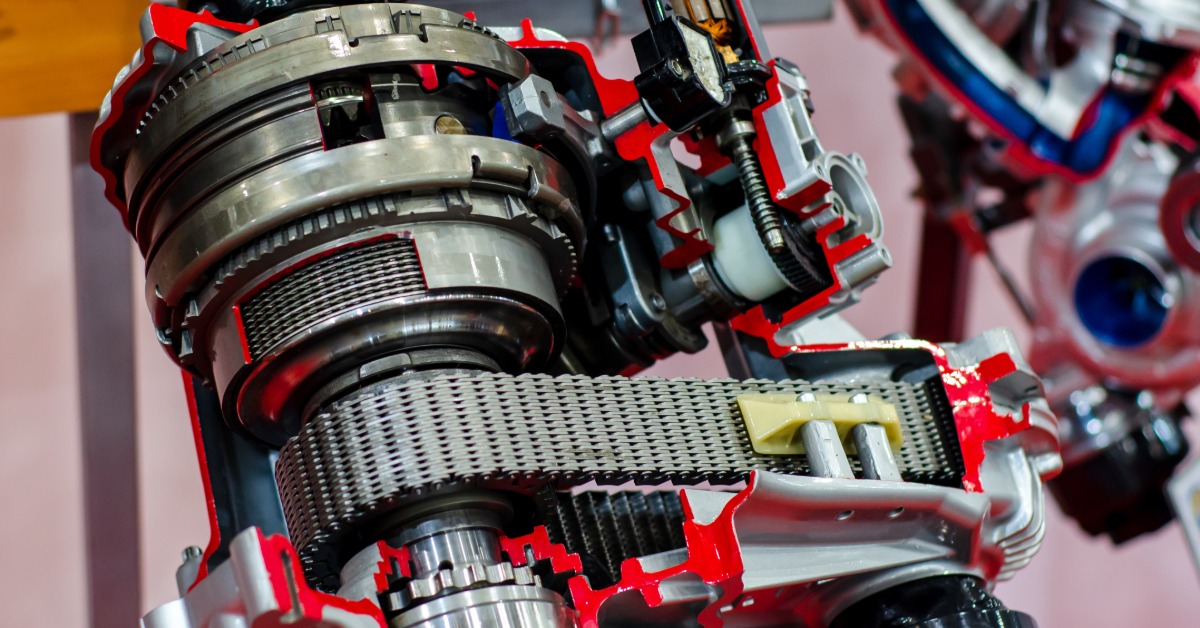
A transfer case depends on precise internal movement to distribute power between the front and rear wheels. As its drive chain wears, extra slack develops and disrupts that controlled operation. Drivers might notice unusual noises, inconsistent power delivery, or changes in how the vehicle responds under load. Vehicle owners who know why and how a stretched transfer case chain causes internal damage will be able to prevent extensive issues.
What Causes a Transfer Case Chain To Stretch?
Repeated acceleration, towing, off-road driving, and normal mileage strain the transfer case chain. Over time, the chain’s pins, links, and various contact surfaces wear, creating additional clearance between its moving parts.
Wear extends the chain’s length in functional terms, even though the metal itself doesn’t physically stretch like an elastic material. Poor lubrication and low transfer case fluid also accelerate wear by increasing friction and heat throughout the assembly.
Extra Slack Disrupts Power Transfer
Once excessive slack develops, the chain no longer maintains the tension needed for smooth power delivery. Instead, it moves more freely between the transfer case sprockets and reacts more sharply when torque changes.
Under acceleration, a loose chain might slap against the inside of the transfer case housing or jump against worn sprocket teeth. Drivers could hear rattling, grinding, or banging noises, particularly when the drivetrain moves from light load to heavier acceleration.
These impacts place additional stress on parts that rely on stable alignment. As the problem progresses, the transfer case cannot transfer power smoothly.
Worn Chains Put Other Components at Risk
Continued chain wear rarely affects the chain alone. Repeated impacts and inconsistent tension increase stress on the sprockets, bearings, shafts, and transfer case housing.
The sprocket teeth also depend on proper chain engagement. When a loose chain fails to sit securely against those teeth, the contact becomes less consistent. That movement creates additional opportunities for the chain to slip or strike nearby components.
In severe cases, a badly worn chain could damage the housing itself. At that point, replacing a chain alone might no longer address the full extent of the problem.
Warning Signs Deserve Prompt Attention
Unusual drivetrain noises often give drivers an early reason to investigate transfer case operation. Rattling or slapping sounds during acceleration, hesitation when power shifts through the drivetrain, and noticeable changes under load all deserve attention.
However, several drivetrain problems produce similar symptoms. A proper inspection helps determine whether chain wear, fluid problems, bearings, or sprockets caused the change in vehicle behavior.
Protect the Transfer Case From Further Damage
Ultimately, damage to the transfer case chain becomes more serious when excess slack repeatedly affects the surrounding components. Replacing the worn chain restores proper tension and reduces impact against the sprockets. Additionally, addressing degraded sprockets will ensure the worn teeth engage correctly.
If the chain caused damage during operation, replacing affected bearings, seals, or shafts helps restore alignment, limit fluid loss, and protect the transfer case housing. Using the correct transfer case parts for the repair addresses the source of the problem and helps prevent further drivetrain damage.


