
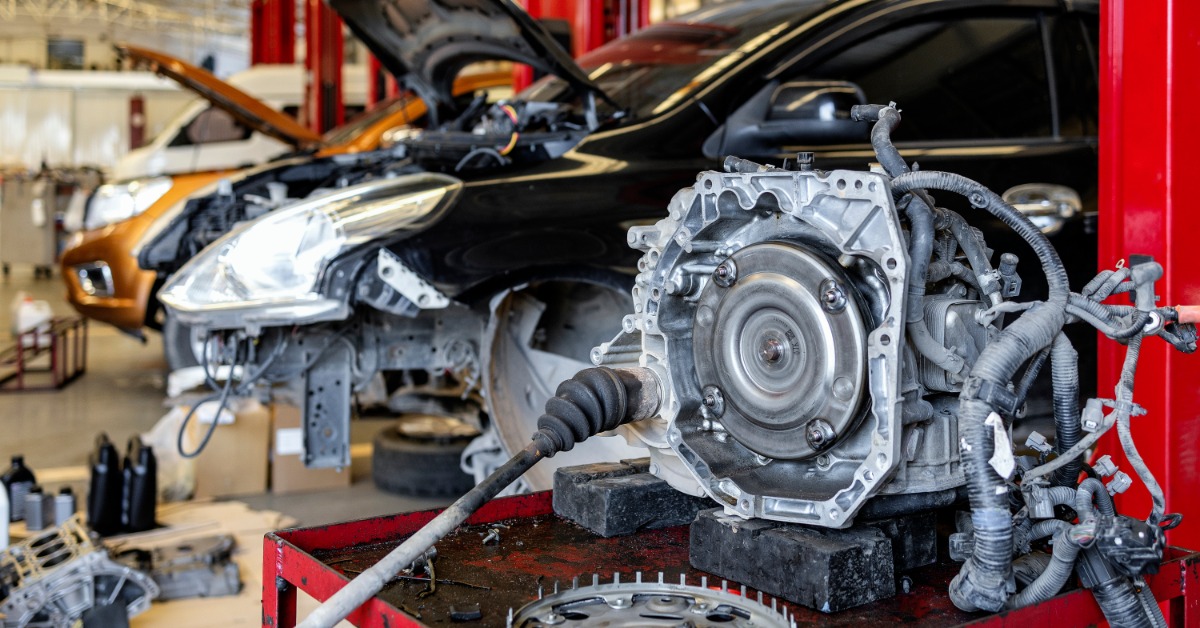
Automatic transmission rebuilds demand more than a clean bench and a complete set of replacement components. Every clutch and fastener must work within narrow tolerances once hydraulic pressure and engine torque enter the case during repeated shifts under load.
A minor assembly shortcut can create pressure losses or misalignments that grow worse with every mile. Let’s explore the various assembly mistakes that shorten automatic transmission life so you can approach a rebuild with the patience and discipline the job requires.
Failing To Clean Every Component and Passage
Old friction material and hardened seal debris can remain inside drums and threaded holes after disassembly. When builders leave that contamination behind, fresh fluid carries abrasive material into bushings, valves, solenoids, and clutch packs. Those particles can score close-fitting surfaces and interfere with the hydraulic control needed for smooth clutch application.
A rushed cleaning process also makes inspection less reliable because residue can hide issues such as cracks and damaged sealing surfaces. Builders should clean reusable parts with products approved for transmission work and keep cleaned components covered until installation. They should also address the cooler and lines so old debris cannot return to the rebuilt unit during the first drive.
Reusing Worn Parts Without Careful Inspection
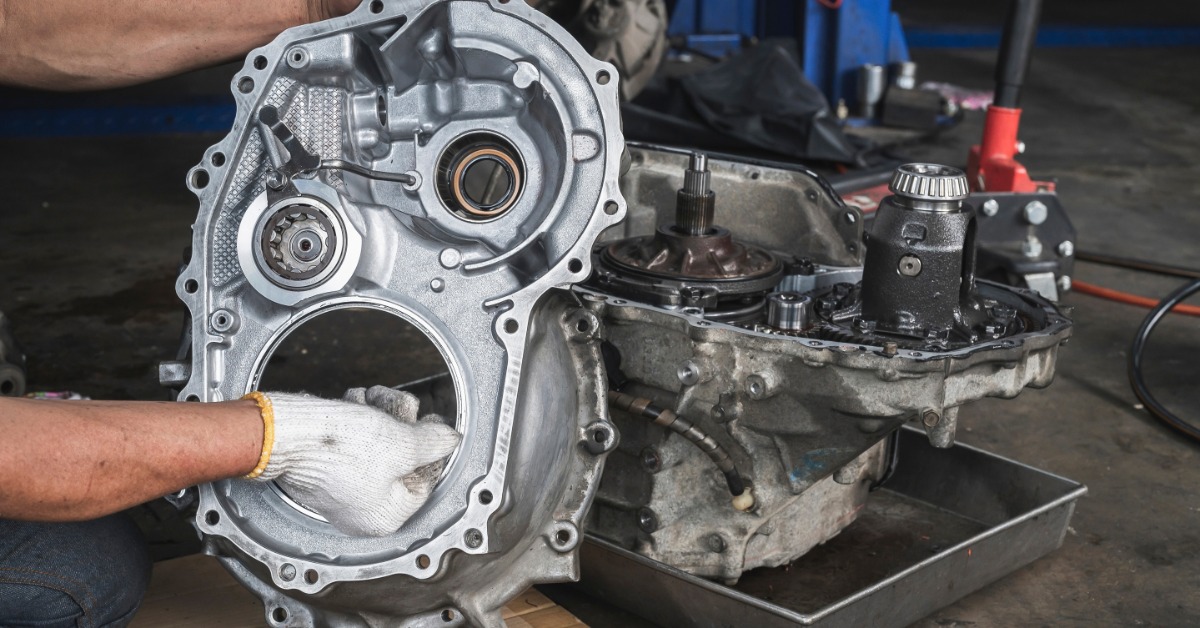
A rebuild kit cannot correct a worn pump body or a loose valve bore. Reusing these parts without measurement may create pressure leaks or gear train movement even when every soft component is new. Visual checks alone may miss wear that exceeds the transmission manufacturer’s service limit by only a small amount.
Builders need the correct manual, gauges, straightedges, micrometers, and bore-checking methods for the transmission on the bench. They should compare each measurement with the listed specification rather than judging a part by appearance or previous service. Replacing a questionable hard part during assembly costs less than removing the transmission again after a premature failure.
Setting Clutch Pack Clearance Incorrectly
Clutch pack clearance controls how far a piston travels before the friction plates clamp together under hydraulic pressure. Excessive clearance delays application, increases apply time, and can let the clutches slip long enough to create damaging heat. Insufficient clearance can keep the pack from releasing fully, which causes drag and may apply two elements at the same time.
Builders should measure each clutch pack with the specified method because different designs use different pressure plates, snap rings, wave plates, and checking procedures. They must also confirm multiple factors including friction count and selective component size before closing the drum. Guessing at clearance or copying another transmission’s setup can shorten clutch life before the vehicle leaves the shop.
Ignoring Endplay and Geartrain Alignment
Transmission endplay gives rotating assemblies enough axial movement to operate without binding while keeping shafts, washers, bearings, and sealing rings in alignment. Too much movement can hammer thrust surfaces and let drums or hubs move away from their intended positions. Meanwhile, too little movement can create drag and rapid damage as the case and rotating parts expand during operation.
Builders should check endplay at the stages listed in the service procedure instead of waiting until they complete the entire unit. Selective washers, shims, thrust bearings, and support components must match the measured condition and the exact transmission version. A correct reading also helps reveal a missing washer or component that has not seated fully.
Damaging Seals and Sealing Rings During Installation
Another assembly mistake that can shorten your automatic transmission’s life is damaging seals or sealing rings as you install them. Even minor seal damage can allow apply pressure to escape, preventing a clutch or band from engaging with the required force. The resulting slip may feel minor at first, but heat and friction damage can spread quickly.
Builders should use suitable seal protectors, assembly lubricant, sizing tools, and careful hand pressure rather than forcing parts into place. They also need to verify seal direction because many lips must face the pressure source to function as intended. After assembly, an air check can confirm piston movement and reveal a leak before the valve body and pan hide the affected area.
Installing Bushings and Bearings Carelessly
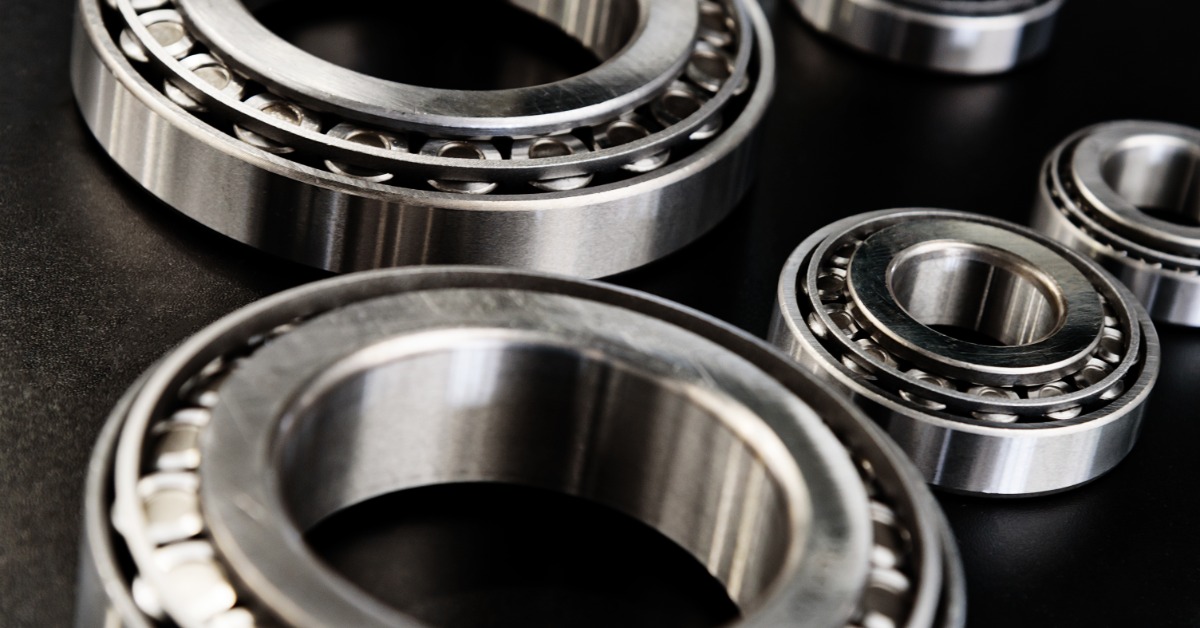
Bushings support rotating components and help direct lubricant to loaded surfaces throughout the transmission. Driving a bushing too deep or damaging its surface can reduce lubrication and shift the supported shaft off center. That error can harm seals, drums, pumps, gears, and converter components beyond the bushing itself.
Builders should select the exact bushing, inspect the bore, align lubrication openings, and use a driver that contacts the correct edge without deforming the part. Bearings and thrust washers also require the correct direction, location, and contact surface because similar pieces may not interchange. Rotating each assembly by hand during the build can expose binding before hydraulic pressure magnifies the problem.
Making Valve Body and Fastener Errors
The valve body depends on accurately placed checkballs, springs, valves, separator plates, gaskets, filters, and solenoids to route fluid through the transmission. A missing checkball or reversed gasket can change clutch timing and line pressure enough to damage a fresh rebuild. Small assembly errors in this area can create symptoms that resemble failed mechanical parts.
Fastener mistakes add another threat because uneven or excessive torque can distort valve bodies and channel plates. Builders should follow the tightening sequence and torque values from the correct service information while keeping bolts organized by length and location. They should also confirm that every valve moves freely and every gasket passage matches before tightening the assembly.
Skipping Lubrication, Air Checks, and Final Verification
A transmission can suffer damage during its first seconds of operation when builders assemble friction surfaces, bushings, seals, and bearings without suitable lubricant. Dry components may scrape or overheat before the pump distributes fluid through the circuits. Heavy grease can create another problem when it blocks passages or contaminates valves.
Before installation, builders should perform available air checks, rotate the input and output members, verify manual valve engagement, and confirm that no fasteners or tools remain inside the case. They should seat the torque converter fully, use the specified fluid, follow the correct filling procedure, and check cooler flow before road testing. These final checks can catch assembly faults while correction still requires less labor and fewer replacement parts.
You can assemble a durable automatic transmission when you prepare carefully, make accurate measurements, and remain patient during the process. Following the service information for the exact unit also helps each component work within the hydraulic and mechanical limits that its designers intended.
When looking for automatic transmission parts for sale, make sure to reach out to Transparts Warehouse. We can help you replace worn and damaged components with our quality products and give your project a stronger foundation for dependable shifting and longer service.


