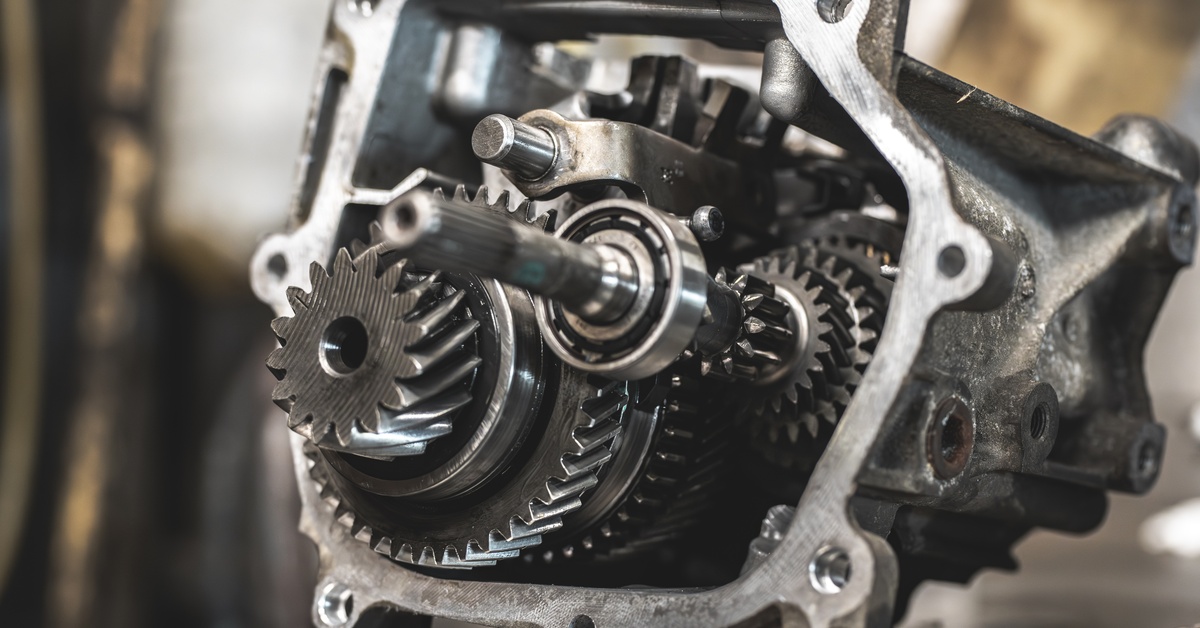
A manual transmission rebuild project gives you the opportunity to replace worn components, correct shifting problems, and prepare the gearbox for use. However, it is important to decide whether you will use rebuild kits or individual parts. Read on to learn the advantages of these two options so you can decide which works better for you when planning a manual rebuild.
What Are the Benefits of Using Kits?
When using manual transmission rebuild kits, you will find that they place replaced components into one package, simplifying the order. A kit may include bearings, seals, gaskets, synchronizer rings, or other items. Buying these parts together reduces the time you would spend searching separate listings and checking part numbers.
A kit also gives rebuilders a starting point when they do not know every component they need. Matching parts to the transmission model still matters, but a well-selected kit can reduce the chance of overlooking replacement items. This approach works well when the gearbox has predictable wear and does not require many hard parts.
Kits can also make project costs easier to estimate. A single package price helps you compare options without adding several component prices by hand. However, review the contents carefully because packages vary between manufacturers and transmission applications.
What Are the Advantages of Using Individual Parts?
On the other hand, ordering individual parts gives you more control over the components that go into the rebuild. You can replace only worn pieces or select upgraded components for a performance build. This method suits experienced builders who know the gearbox and can identify what the project requires.
Individual purchasing also helps when the transmission has damage that a standard kit does not address. For instance, a synchronizer assembly may require a part outside a basic package. Selecting each item separately lets you build an order around the inspection results.
This approach may prevent you from paying for components that remain serviceable. However, it demands accurate identification and compatibility checks. Missing one seal, bearing, or fastener can interrupt the rebuild and create another ordering delay.
Which Option Works Best for Me?
After learning the benefits of each, let’s look at how to decide whether to use kits or individual parts when planning a manual rebuild. Your experience level, transmission condition, and project goals should guide the decision.
For instance, a kit may fit a straightforward rebuild with common wear, while individual parts may suit a customized build or isolated damage. Some rebuilders combine both approaches by starting with a kit and adding hard parts after inspection.
Avoid placing the full order until you examine all the transmission’s components. Compare part numbers, kit contents, and measurements against the model. Careful planning can help you avoid duplicate purchases and parts that do not fit.
The best purchasing method gives you the parts your transmission needs without adding complications. Kits offer convenience and organization, while individual parts provide flexibility and control over component selection.
When you are ready to buy manual transmission parts online, contact Transparts Warehouse. We offer both individual parts and kits, so you can choose which option best suits your rebuild.


