Modern four-wheel-drive systems rely on precise engineering to deliver power where drivers need it most. The transfer case plays a central role by splitting torque between the front and rear axles.
However, transfer cases come in different internal designs that directly affect performance, durability, and how power flows through your drivetrain, including chain- and gear-driven models. Understanding how these transfer cases send power can help you make smarter upgrade and maintenance decisions. Read on as we explore the differences between the two.
What Are Chain-Driven Transfer Cases?
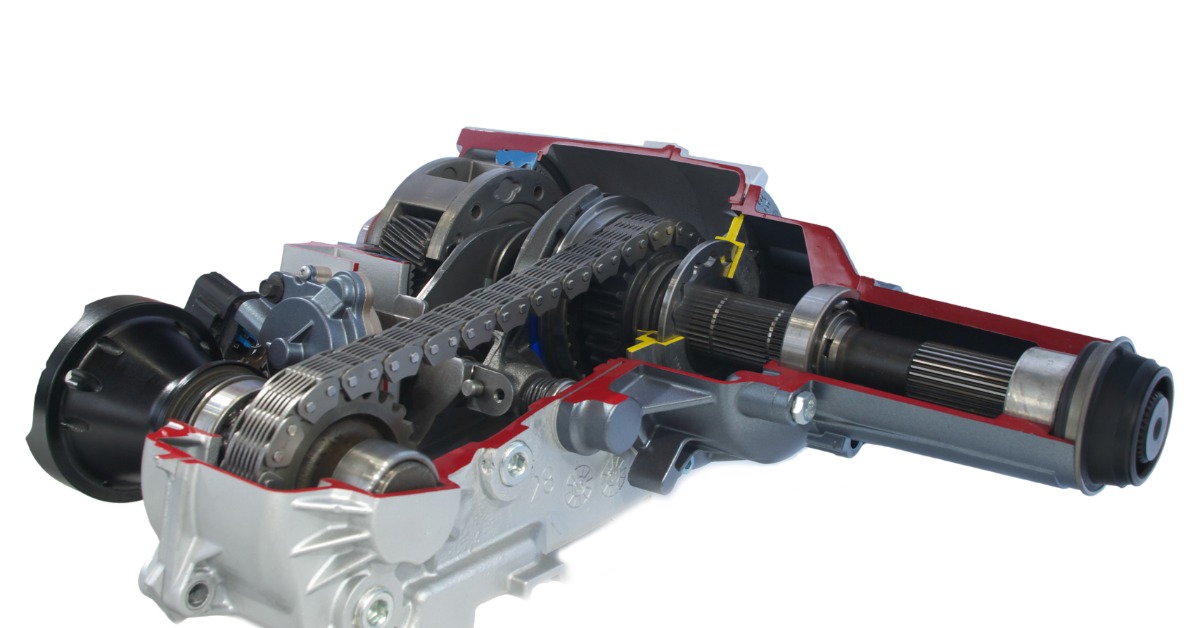
If you’re not familiar with chain-driven transfer cases, these use a heavy-duty metal chain to transfer torque from the input shaft to the output shaft. Manufacturers favor this design in many modern vehicles because it reduces weight and supports smoother operation. The chain moves quietly across the sprockets, creating less vibration and noise during everyday driving.
This design delivers strong performance for most street and light off-road applications. Drivers benefit from improved efficiency because the system produces less friction than gear-driven setups. Automakers also package chain-driven systems more easily into compact vehicle designs, which supports better fuel economy and overall drivability.
Cost plays another advantage. Chain-driven transfer cases typically cost less to manufacture and repair, which aligns with the need for affordable, high-quality replacement parts.
What Are Gear-Driven Transfer Cases?
Now let’s examine gear-driven transfer cases, which rely on interlocking gears to transmit torque directly. This design creates a solid mechanical connection that handles extreme stress without stretching or slipping. Off-road enthusiasts and heavy-duty truck owners often choose gear-driven systems for their durability and reliability.
Gears provide immediate power transfer, which improves response in demanding conditions. Drivers notice this advantage when crawling over rocks, towing heavy loads, or navigating steep terrain. The rigid structure also resists wear over time, especially in high-torque applications.
This design produces more noise and adds weight, but many enthusiasts accept those trade-offs for the added strength. Gear-driven transfer cases often last longer in harsh conditions, making them ideal for performance builds and work-focused vehicles. Drivers who demand maximum toughness and consistent torque delivery usually lean toward this design.
Which One Works Best For Me?
After comparing and contrasting chain and gear-driven transfer cases and explaining how they send power, you may still be unsure which is best for your vehicle. You should consider driving style when making your decision.
For instance, if you use your vehicle for daily commuting, light off-roading, or highway travel, a chain-driven transfer case offers the balance you need. It delivers quiet operation, efficient performance, and lower maintenance costs.
If you push your vehicle into extreme conditions, a gear-driven system makes more sense. It handles higher torque loads and resists wear in rugged environments. Drivers who modify their vehicles for off-road performance may choose gears for their strength and reliability.
As we’ve seen, each transfer case design offers clear advantages that suit different driving conditions and preferences. Understanding these differences allows you to make confident decisions when maintaining or upgrading your drivetrain.
If you need to repair this vital component in your vehicle, try exploring the high-quality, affordable transfer case components that Transparts Warehouse offers. Reach out to us today to keep your drivetrain performing at its best.


